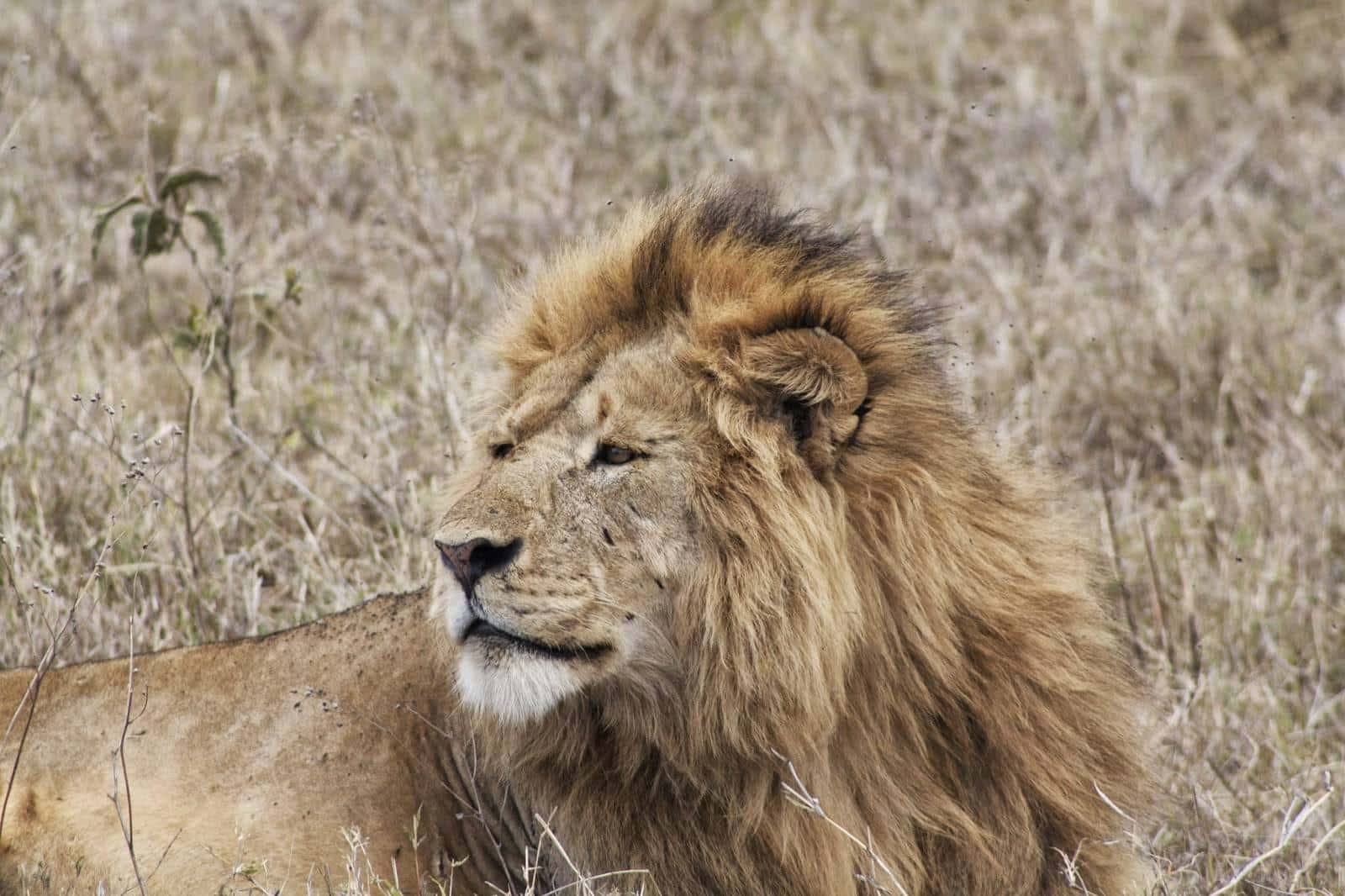
Ngorongoro Crater
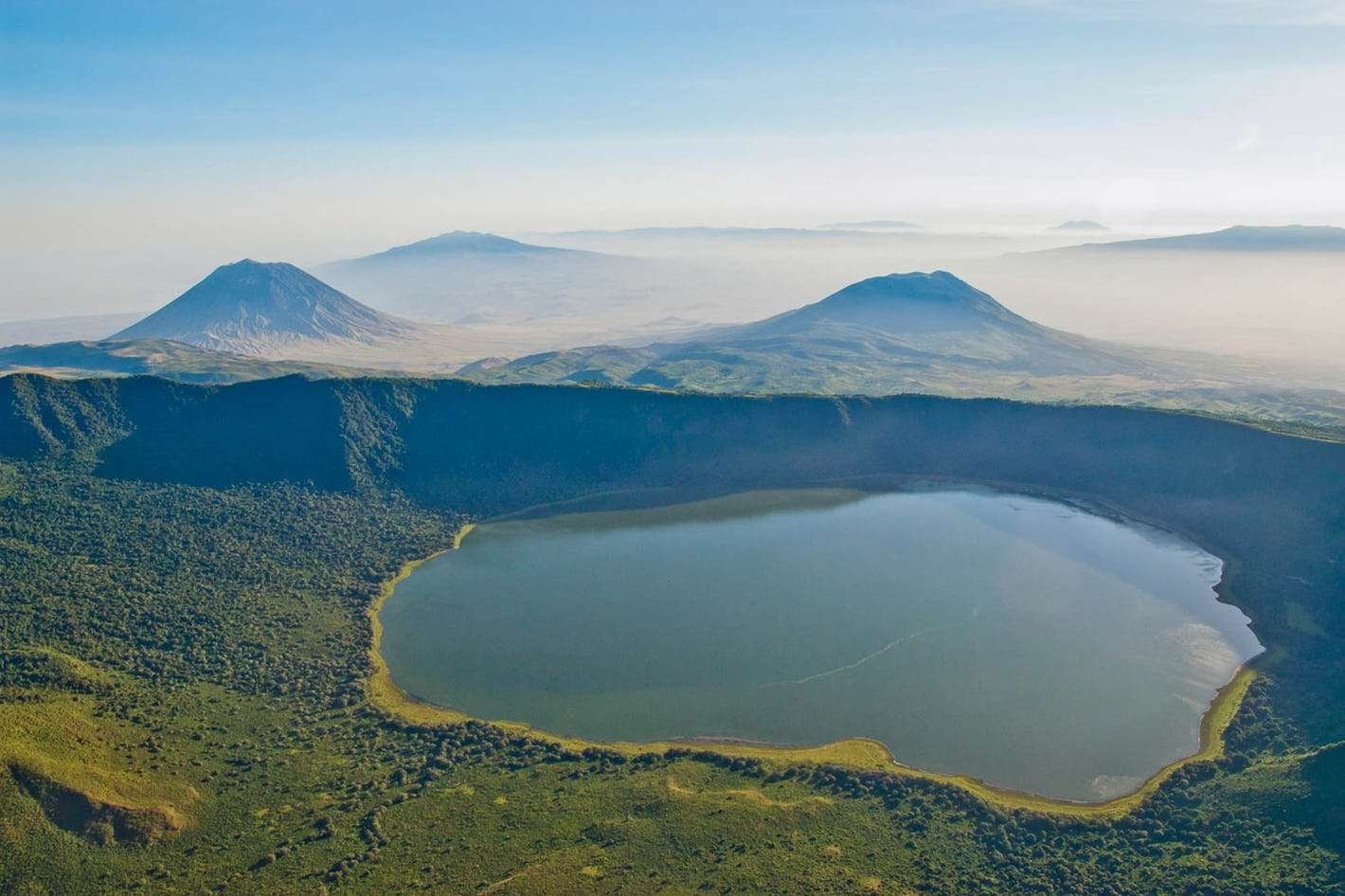
Ngorongoro Crater is a geological marvel located in Tanzania’s Ngorongoro Conservation Area. It is a UNESCO World Heritage site, often called the “Eighth Wonder of the World.” This vast volcanic caldera is one of the best-preserved in the world.
Formation and Geology
The crater formed about 2 to 3 million years ago after a massive volcanic eruption caused the volcano to collapse. It spans roughly 19 kilometers (12 miles) in diameter and plunges 610 meters (2,000 feet) deep. Consequently, it creates a unique, enclosed habitat for various wildlife species.
Wildlife
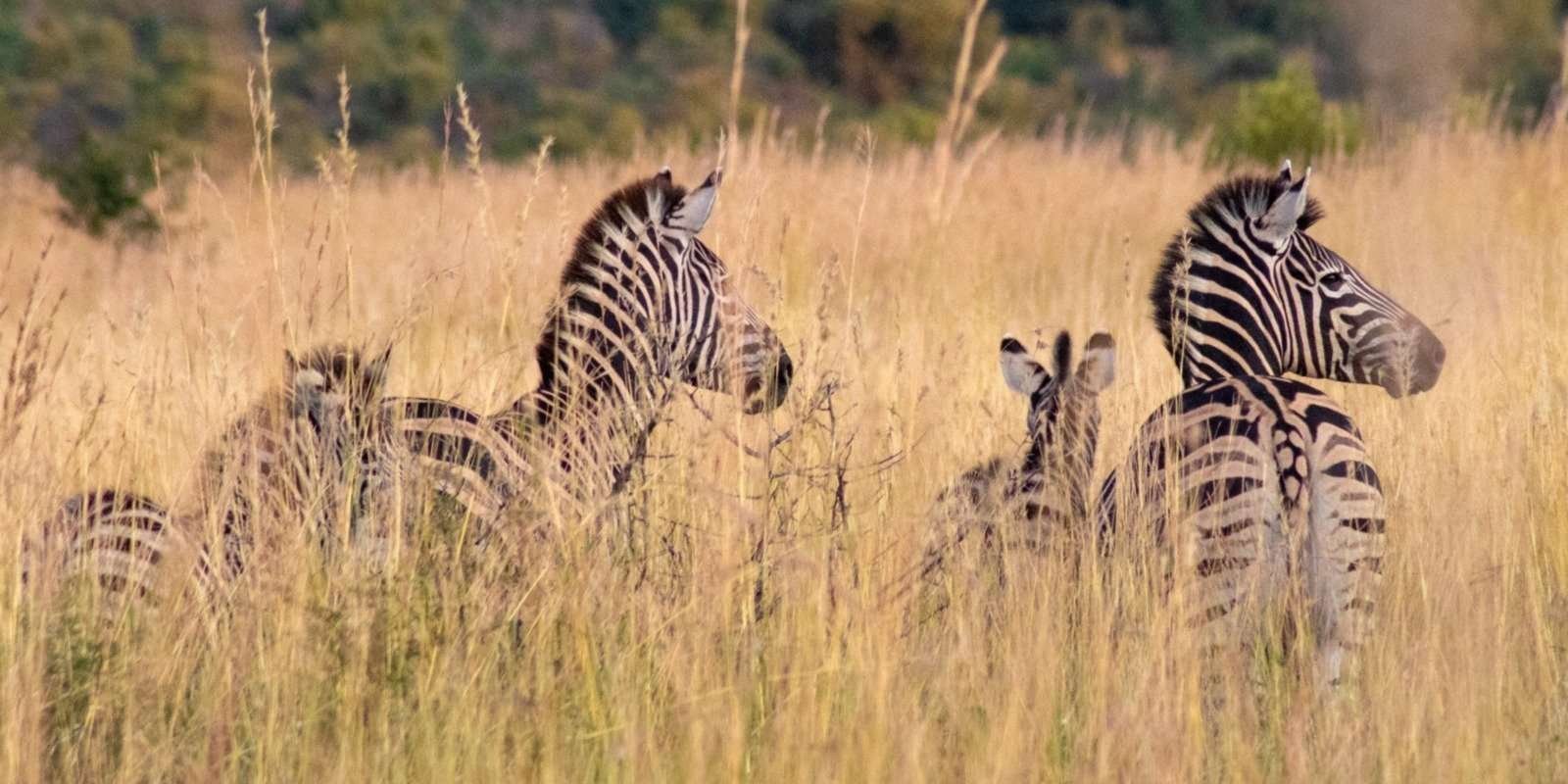
The crater floor is home to an impressive array of animals, making it a top destination for wildlife viewing. Visitors can see the “Big Five”: lion, elephant, buffalo, rhinoceros, and leopard. Additionally, wildebeest, zebras, gazelles, and hyenas are commonly spotted. Notably, Lake Magadi, a soda lake within the crater, attracts flamingos. The crater is renowned for having one of the highest lion densities in the world and is a crucial sanctuary for the critically endangered black rhino.
Ecosystem
The Ngorongoro crater features a diverse ecosystem, including grasslands, acacia forests, and freshwater lakes. This variety supports a complex web of life, making the crater a valuable site for ecological studies.
Tourism and Conservation
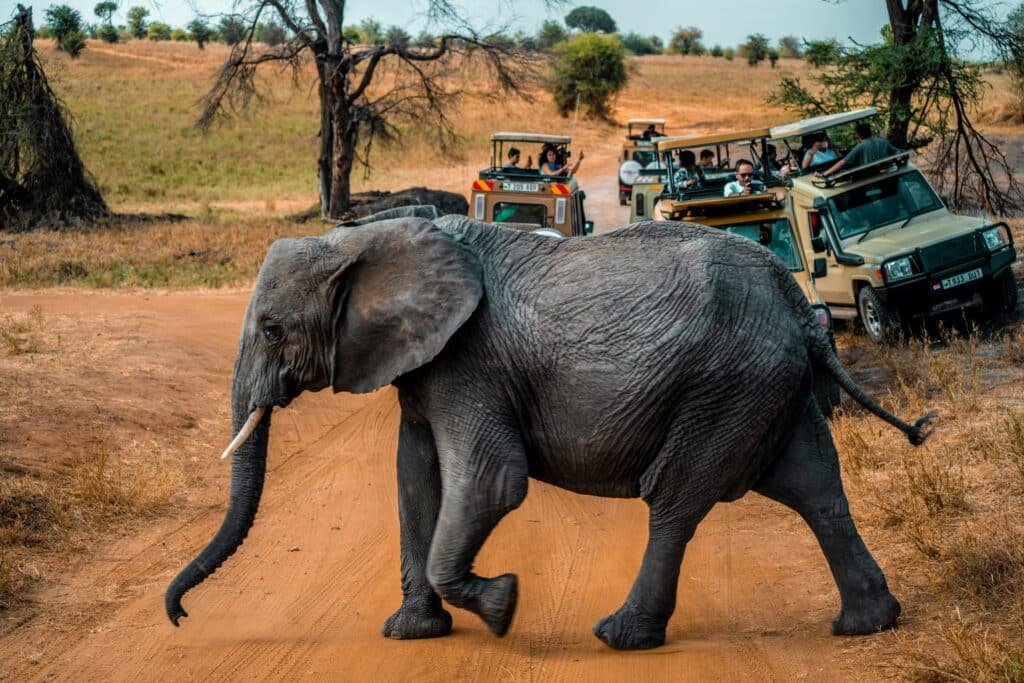
Tourism is vital in the Ngorongoro Conservation Area, with the crater being a major attraction for game drives and guided tours. It is essential to balance tourism with conservation efforts to protect this delicate ecosystem for future generations.
Olduvai Gorge
Olduvai Gorge, located in Tanzania’s Great Rift Valley, is one of the most important paleoanthropological sites globally. It has provided crucial insights into early human evolution and our ancient ancestors.
Archaeological Significance
Olduvai Gorge is renowned for its archaeological significance. It has yielded numerous fossils and stone tools dating back millions of years. Notable excavations by Louis and Mary Leakey uncovered remains of early hominins, such as Australopithecus and Homo habilis. These discoveries are key to understanding human evolutionary history.
Stratigraphy and Fossils
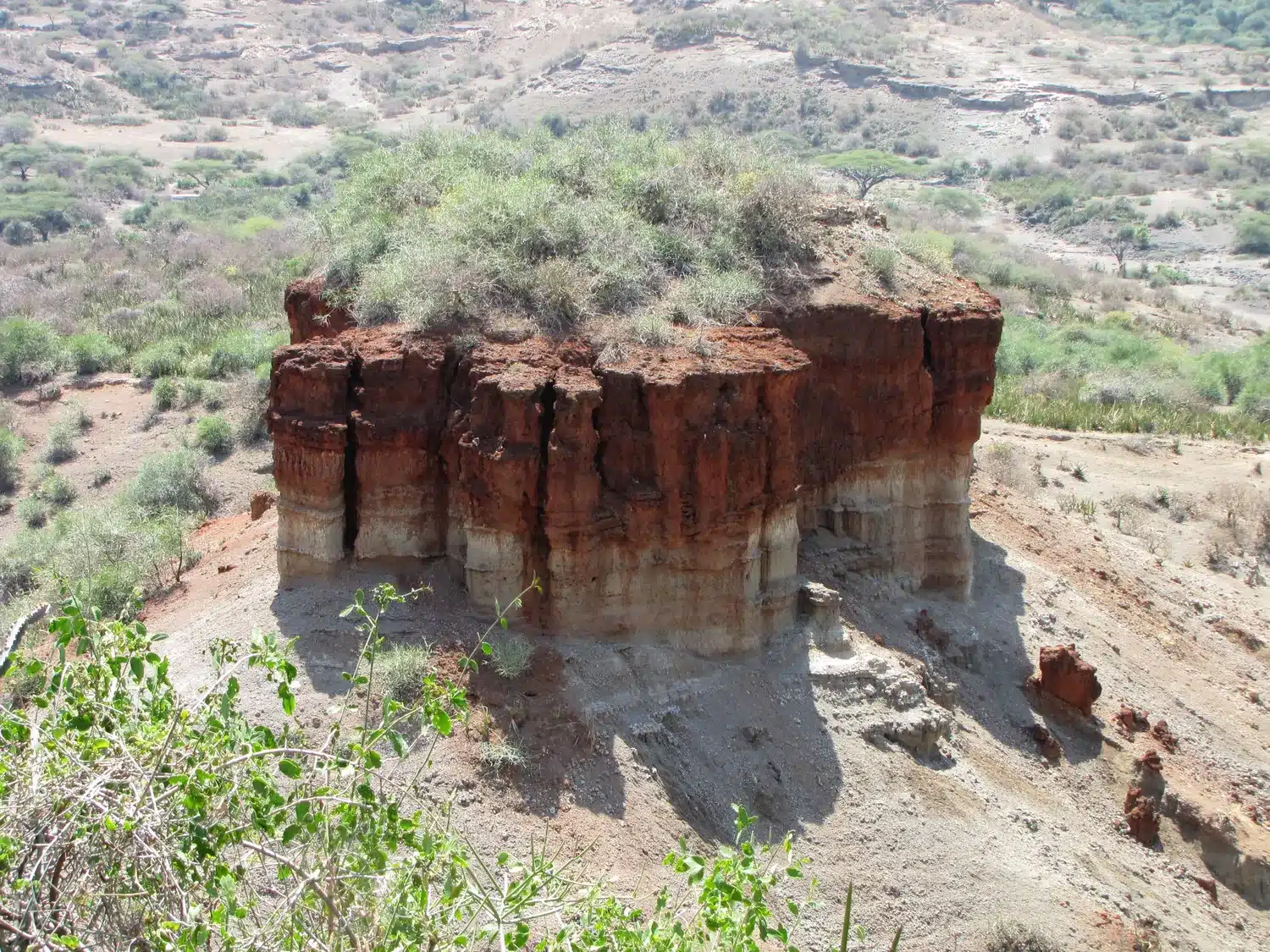
The gorge’s layered sediments preserve a rich record of life over the past two million years. Each layer offers a snapshot of different periods in Earth’s history, with fossils of extinct animals, ancient plants, and evidence of climate changes. This stratigraphy helps scientists piece together a detailed chronology of evolutionary events and environmental shifts.
Cultural Impact
Olduvai Gorge holds cultural as well as scientific significance. It provides insights into early human technology and social behaviors, including tool-making techniques and subsistence strategies. The site remains a focal point for ongoing research in paleoanthropology.
Visitor Experience
Visitors can explore the Olduvai Gorge Museum, which displays artifacts and fossils from the area. Guided tours offer educational insights into human evolution and emphasize the importance of preserving this archaeological treasure.