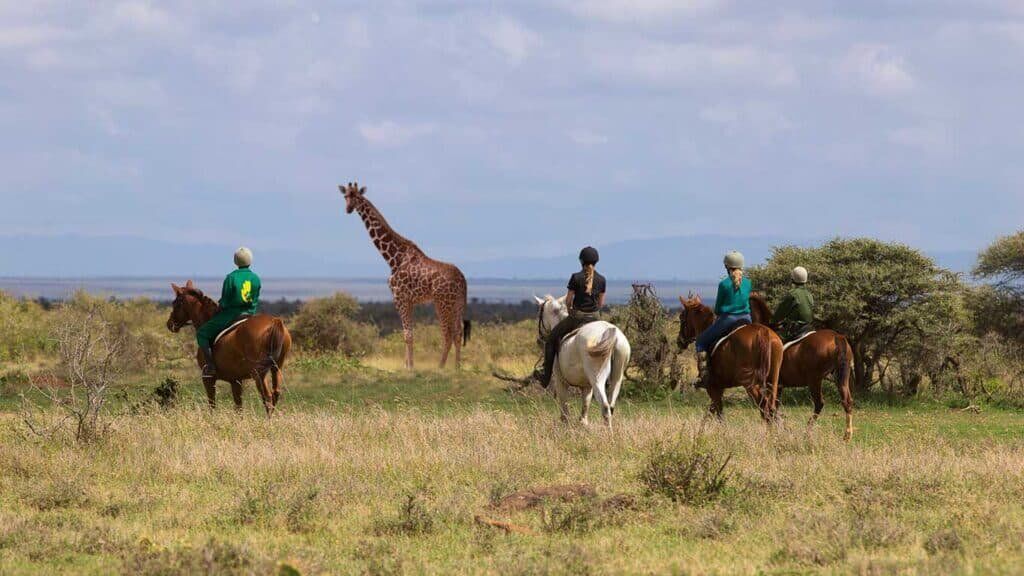
The Grumeti River traverses the western corridor of Serengeti National Park, flowing westward until it reaches Lake Victoria. This 50-kilometer corridor is characterized by expansive savannah grasslands, lush riverine forests, rolling hills, and shaded acacia groves. Due to its remote nature, this part of the Serengeti remains less frequented by visitors.
However, those who make the journey are rewarded with an impressive array of wildlife throughout the year, including giraffes, hippos, cheetahs, elephants, large Nile crocodiles, and thriving populations of leopards and lions.
The crocodile infested Grumeti River is one of the first obstacles facing the wildebeests on their migration from Tanzania to the Masai Mara National Reserve during the Great Migration. Often overshadowed by her bigger sister, the Mara River, the Grumeti is no less impressive once the wildebeest arrive. Visit between May and June for best chances of sightings.
Grumeti‘s isolation also offers a more tranquil experience compared to busier safari spots. While about 30 safari vehicles often line the banks of the Mara River during the Great Migration, the Grumeti River sees only half that number, ensuring a more undisturbed encounter with nature.
Which River is the Best for Great Migration Crossing: Grumeti River or Mara River?
Grumeti River
The Grumeti River is a great choice for those who want to avoid travelling in the peak season from mid-June to September, when the parks are busier and travel more expensive.
The Grumeti River crossings usually occur within a 1 or 2-week window in May and June, but predicting the precise time is impossible, as the migration follows the rains.
River crossings on the Grumeti usually occur as the long rainy season transitions into the dry. So intermittent rainfall is likely, which could affect roads and planned excursions. The grass is also typically longer and greener, making wildlife more difficult to spot.
The Grumeti River lies in the secluded western corridor of the Serengeti, which can add an extra 3 to 4 hours to your travel time by road—something to keep in mind if you’re on a tight schedule.
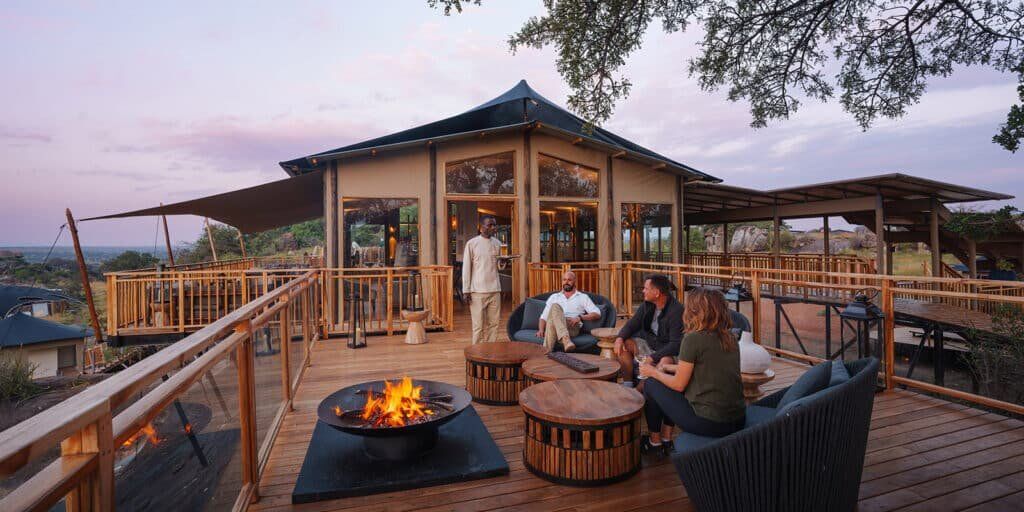
Alternatively, daily flights to Grumeti Airstrip are available, though they tend to be costly. Accommodation options in this area are generally limited, consisting of a handful of permanent lodges and seasonal mobile camps.
Mara River
The Mara River crossing usually occurs at the height of the dry season when the grass is short, and the animals are drawn to water sources, so it makes for better viewing opportunities.
The chances of witnessing a river crossing are much higher at the Mara River, as these events happen more often. The crossings are also generally more dramatic due to the river‘s faster flow, greater depth, and steep banks, unlike the Grumeti.
The areas around the Mara River offer more developed accommodation options, catering to a wider range of budgets. That said, these crossings take place during the peak tourist season, resulting in larger crowds and increased costs.
How to Get to Grumeti River
Several airlines operate daily scheduled flights from Arusha, Dar es Salaam, and Kilimanjaro Kilimanjaro International Airport to the Grumeti Airstrip, with flight durations of less than 2 hours.
For those traveling by road, the quickest access is through the Ndabaka Gate, leading directly to the Grumeti River and the Western Corridor. This route is accessible from Mwanza town and the Tanzania-Kenya border at Isebania. Driving from Arusha takes approximately 9 hours.
If you‘re coming from Seronera in central Serengeti or the main gate at Naabi Hill, expect a journey of around 3-5 hours.
If you’ve booked your safari with us, all transportation arrangements will be fully handled on your behalf.
Best Time to Visit the Grumeti / Western Corridor
The ideal time to visit the Grumeti River is between May and September, with river crossings typically occurring from May to June. If you’re specifically hoping to witness a river crossing while avoiding the tail end of the rainy season, the best option is to plan your trip for mid to late May. The rains during this time can be intense and unpredictable, often leading to last-minute cancellations of activities. For those seeking a more unique and less crowded safari experience, the western corridor offers excellent game viewing opportunities throughout the year.