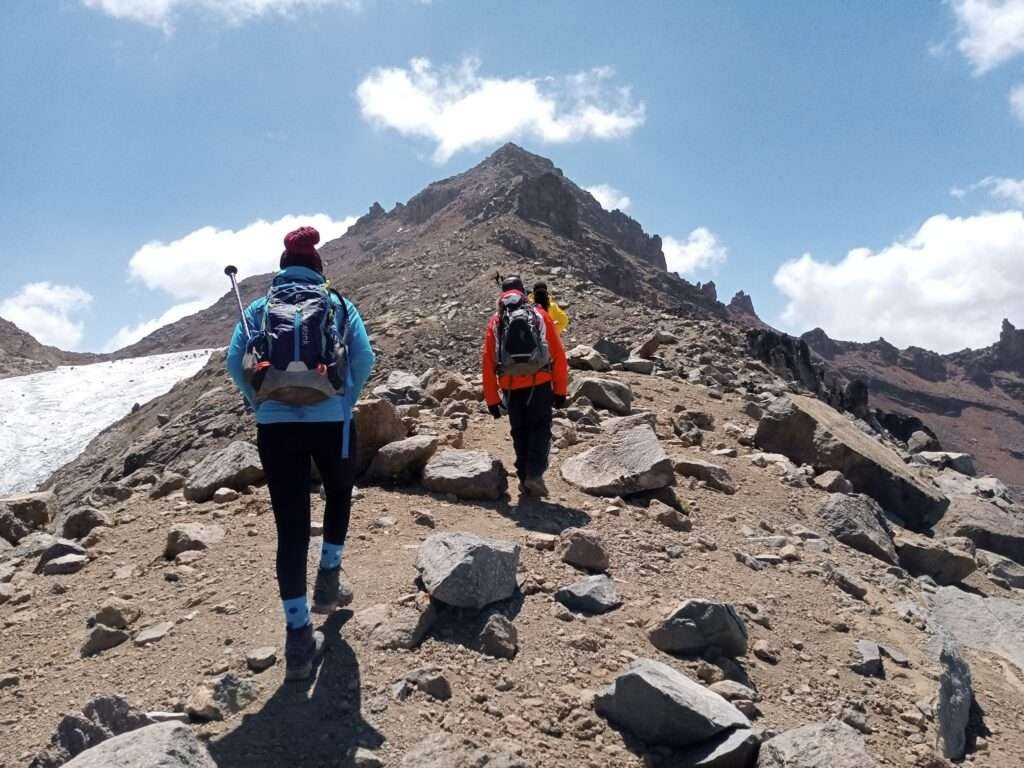
Laikipia sprawling on the edge of the Northern Frontier, the Laikipia Plateau stretches from the slopes of Mt Kenya to the rim of the Great Rift Valley, renowned for its exceptional wildlife and cultural diversity. The high plains of the Laikipia plateau offer a safari experience with a difference combined with a community and conservation dimension quite unlike anywhere else in Kenya. Covering an expanse of over two million acres between Mount Kenya and the Rift Valley, the majority of Laikipia’s private ranches have turned their attentions to conservation in a remarkable way, this invigoratingly wild landscape has the highest concentration of large mammals in Kenya. Expect endangered species such as the white rhino, large elephant herds, incredible plains game.
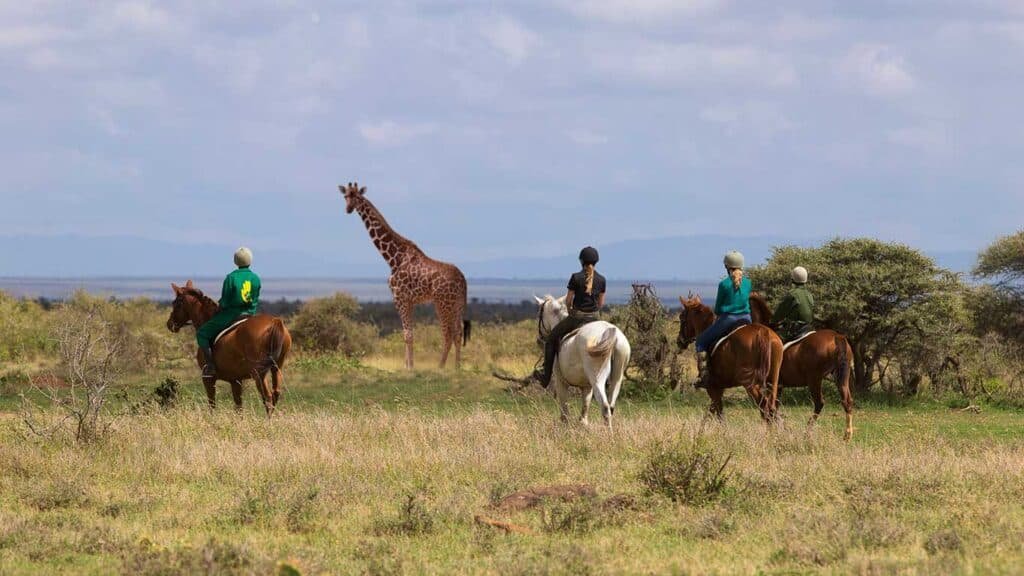
Fewer predators roam these plains and so, in addition to the classic safari pursuits of game drives and bush walks, safari enthusiasts can immerse themselves in Laikipia’s wildlife-rich landscape by a variety of different means – on horseback for example, or by mountain bike. For a different perspective entirely, take to the air on a helicopter flight over endless wilderness, and Lake Turkana with its resident flamingos.
Must- Visit Places in Laikipia Plateau
Lewa Wildlife Conservancy
Surrounded by vast valleys and rolling mountains, the scenic grounds of the Lewa Wildlife Conservancy is a haven for endangered wildlife. It has a rich history. The conservancy is a force for good against the ever-present threat of illegal poaching. The 62,000-acre conservancy contains many different types of habitat – from plains to rolling hills, swamps to forests. The conservancy is home to the Big Five and has extraordinary diversity. It is famous for having one of the highest populations of rhinos in the world. Additionally, there are over 400 bird species. There are five gorgeous places to stay within Lewa.
Ol Pejeta Conservancy
Renowned as one of the most prominent wildlife conservancies in Laikipia, Ol Pejeta Conservancy spans approximately 90,000 acres. It is located in the southern region of Laikipia. This remarkable sanctuary is home to the iconic big five, alongside the endangered Jackson’s hartebeests and Grevy’s zebras. Notably, it is the sole location where you can encounter the nearly extinct northern white rhino. Only three individuals remain, safeguarded within a sanctuary here. Another significant attraction is the chimpanzee sanctuary, which is among the few recognized by the Jane Goodall Institute. The conservancy boasts a rich diversity of other species as well. Furthermore, the area is a haven for birdwatchers, with around 300 bird species recorded.
Loisaba Wilderness Conservancy
Loisaba Conservancy is nestled within an expansive plateau, bordered by majestic ridges and towering mountain peaks. Established to safeguard the migration pathways of wildlife, the Conservancy has become essential for the sustainability of the surrounding ecosystem. It is located along one of Kenya’s largest migratory routes for wildlife.
Each year, more than 800 elephants, numerous buffalo, and the elusive Grevy’s zebra traverse this land. They are in pursuit of richer grasslands. Additionally, the conservancy is home to over 250 bird species and around 50 mammal species.
II Ngwesi Group Ranch
The Il Ngwesi Group Ranch lies to the north of Mount Kenya, encompassing a vast area of 16,500 hectares. This ranch is quite remote, situated away from any towns. It rests on the periphery of Kenya’s Laikipia Plateau. A visit to Il Ngwesi offers not only the chance to appreciate the local wildlife and stunning landscapes. It also offers an opportunity to immerse oneself in the rich Maasai culture that this remarkable region of Kenya presents.
What is the Best Time to Go?
The best time for wildlife viewing in northern Kenya spans from January to March and from June/July to October. It’s not solely focused on the animals; the landscapes are stunning as well. The months of April and May bring rainfall. Following this, in June and July, the environment transforms into a vibrant green. The months of July and August can be quite cool. Conversely, the warmest temperatures are experienced from December to March.
Where to Stay & What to Do?
When you travel to Laikipia during the short rains season in November, you can expect sunny days and pleasant nights, often interrupted by regular late afternoon showers. At Loisaba, this weather is ideal for enjoying the magnificent swimming pool, which boasts one of the finest views in all of East Africa.
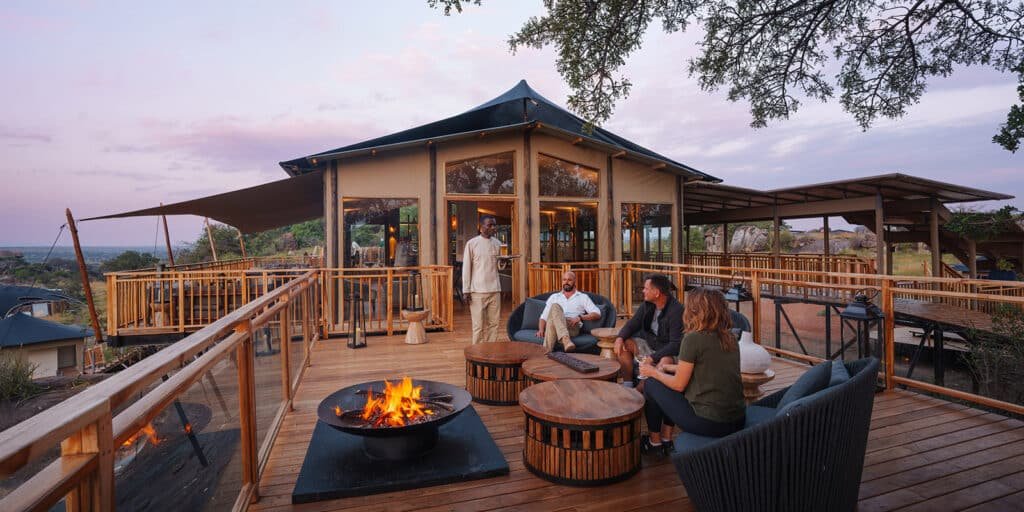
You can relish these experiences from the utmost comfort of the Loisaba Tented Camp, Lodo Springs, or the incredibly romantic Loisaba Star Beds. Here, your four-poster bed is mounted on wheels, allowing it to be rolled out onto your room’s deck, enabling you to sleep beneath the stars in total comfort and safety.
Loisaba’s star beds feature a path leading down to the river. Accompanied by a guide and an armed ranger, you can witness a pod of playful hippos, follow the melodious birdsong, and admire the stunning prickly pear flowers. Ironically, the prickly pear cacti are an invasive species, and efforts are currently underway to eliminate them. The fruits are pressed into a delicious ruby-colored juice, so each glass you enjoy brings you one step closer to eradicating these invaders!
At Lewa Safari Camp, the focus is on traditional, straightforward safari experiences. Italian-inspired dishes are served on the stone veranda, and the pool offers a refreshing retreat on a hot afternoon.
Wildlife of the Laikipia Plateau
It is home to a greater number of endangered species than any other location in East Africa. Laikipia is a sanctuary for all the iconic East African safari mammals. Its fame primarily comes from its rhinos, particularly the critically endangered northern white rhino.
In addition to the impressive megafauna, the region’s rich birdlife is frequently overlooked; however, the diverse habitats present on the Laikipia plateau establish it as one of Kenya’s top birdwatching spots.
The guides at the various camps and lodges are true experts. They possess a deep understanding of the local habitats and the animals that inhabit them. Furthermore, the presence of radio collars on some of the big cats, elephants, and rhinos makes locating them much easier.
How to Get to Laikipia
Direct flights are available via a light aircraft from Wilson Airport in Nairobi. Laikipia is frequently paired with other safari areas such as the Masai Mara National Reserve. If your travel plans include this combination, you will need to return to Wilson from the Mara. This step is essential before you can fly to Laikipia, as there are no direct flights between Masai Mara and Laikipia.
Depending on your destination in Laikipia, the drive from Nairobi can take anywhere from four to six hours. However, keep in mind that most conservancies will not permit entry with your own vehicle.