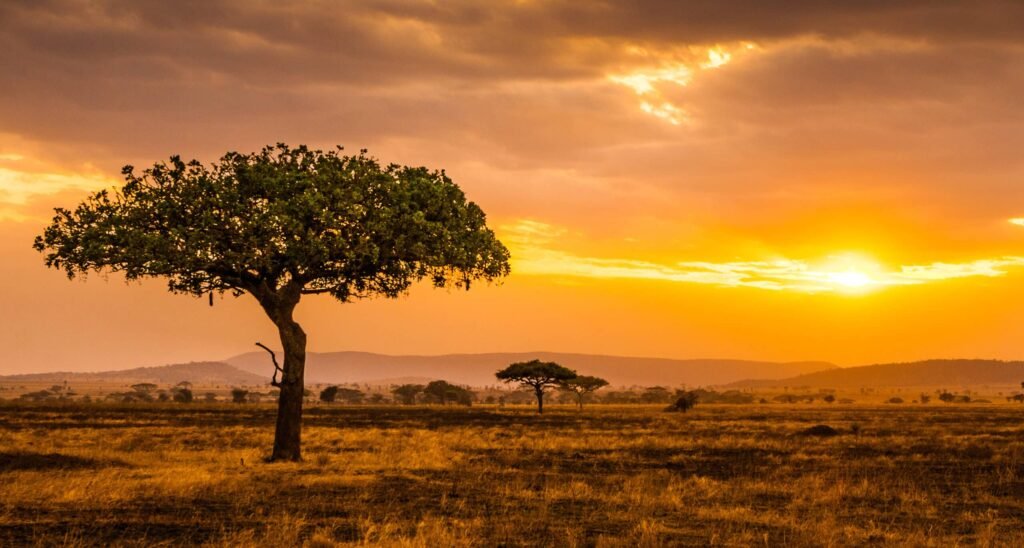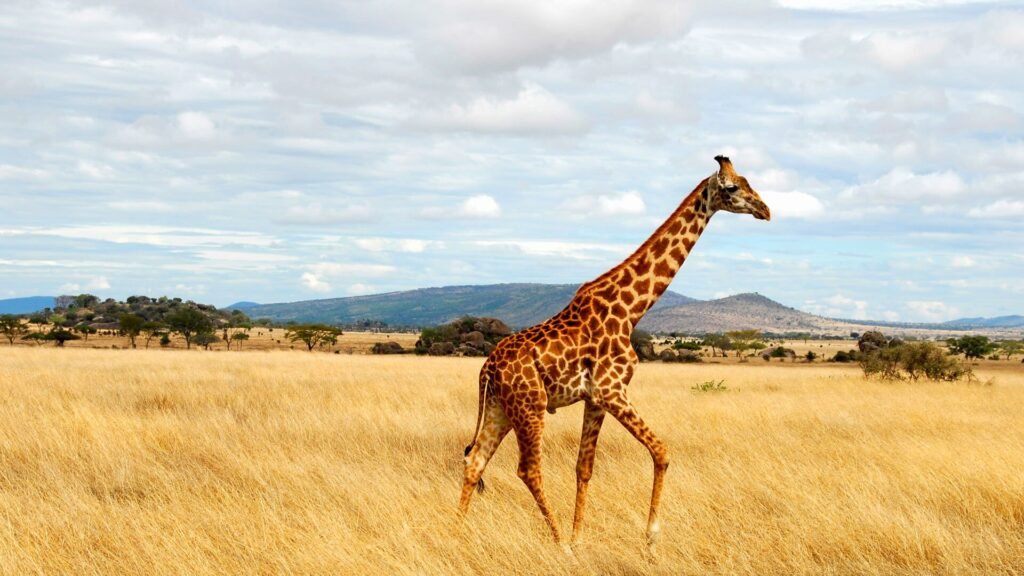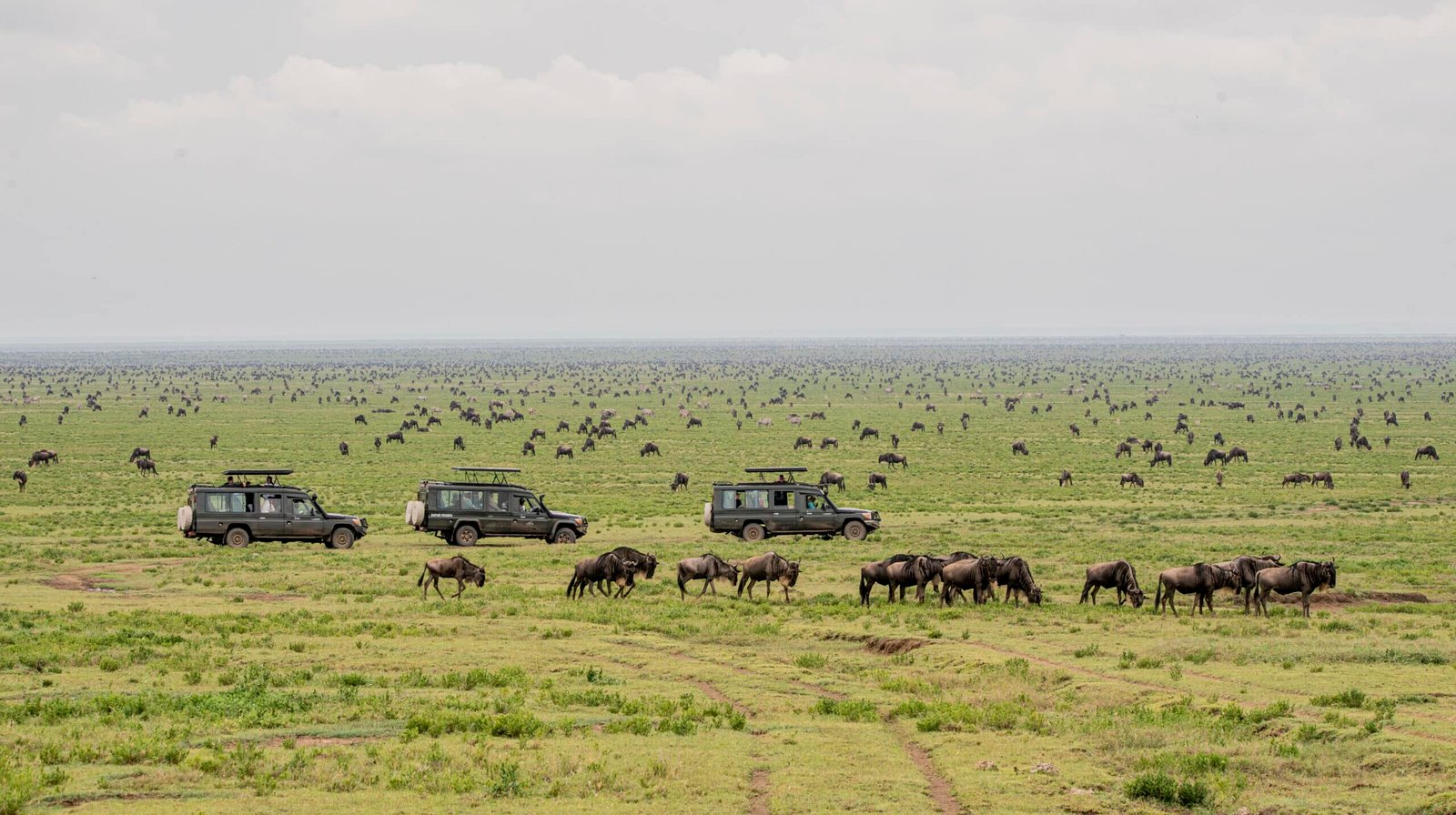
East Africa is widely celebrated as an exceptional year-round safari destination, boasting abundant wildlife and diverse landscapes. For many travelers, determining the ideal time for an East African safari is a key aspect of planning the ultimate adventure. Ultimately, the best time to embark on an East African safari largely depends on your specific interests and priorities. With a temperate climate, dramatic seasonal migrations, and plentiful resident wildlife, there is no universally perfect time to visit.
When organizing your East African safari, it’s essential to consider how different seasons may affect not only your wildlife-viewing opportunities but also your budget. If you want to enhance your overall experience, understanding the best times for an East African safari can help you maximize both the thrill of wildlife encounters and your enjoyment.
Once you’ve settled on your travel dates, the next step is choosing your destination. However, if your schedule is flexible, the following insights into East Africa’s seasonal patterns might guide you in making an informed decision.
East Africa Safari Peak Season: July, August, September + October
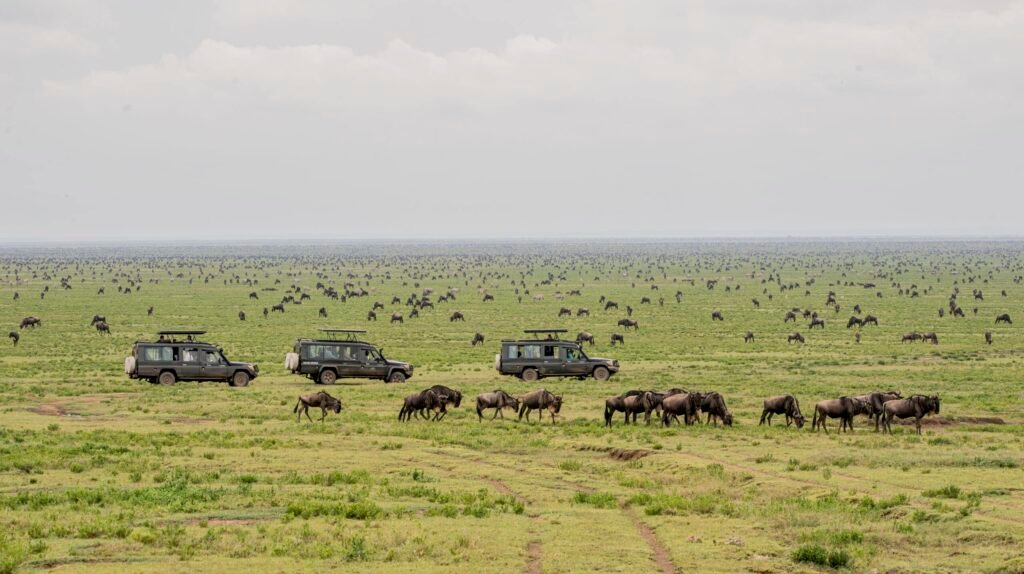
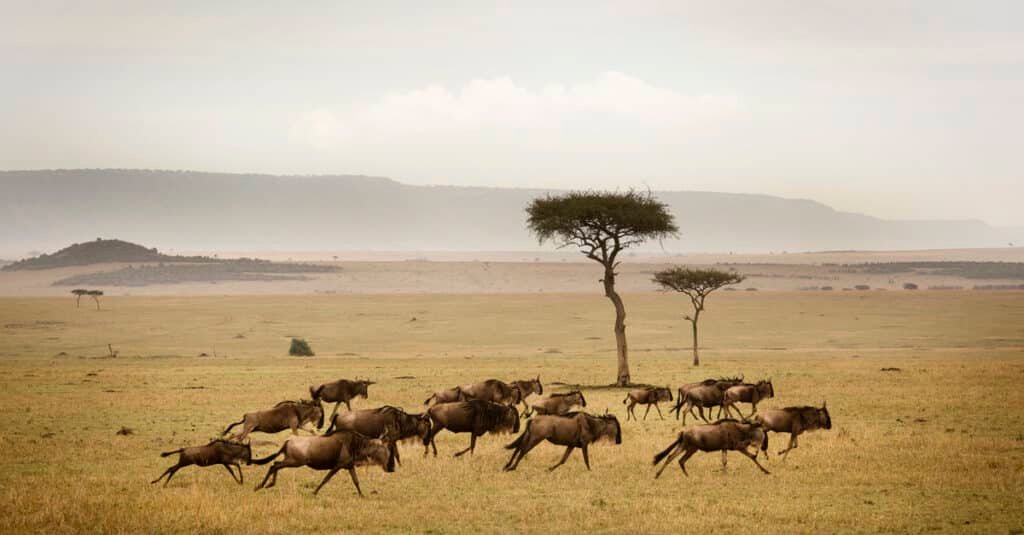
The peak travel season in East Africa is characterized by minimal rainfall and comfortable temperatures. This makes these months highly sought after for visits. For those planning a safari, particularly to witness the Great Migration, it is recommended to make arrangements well in advance—ideally 6 to 10 months ahead. Visitor numbers tend to reach their highest in August. This is especially true in renowned destinations like Kenya’s Masai Mara and Tanzania’s Serengeti. Typically, special deals and offers begin to appear from October onwards.
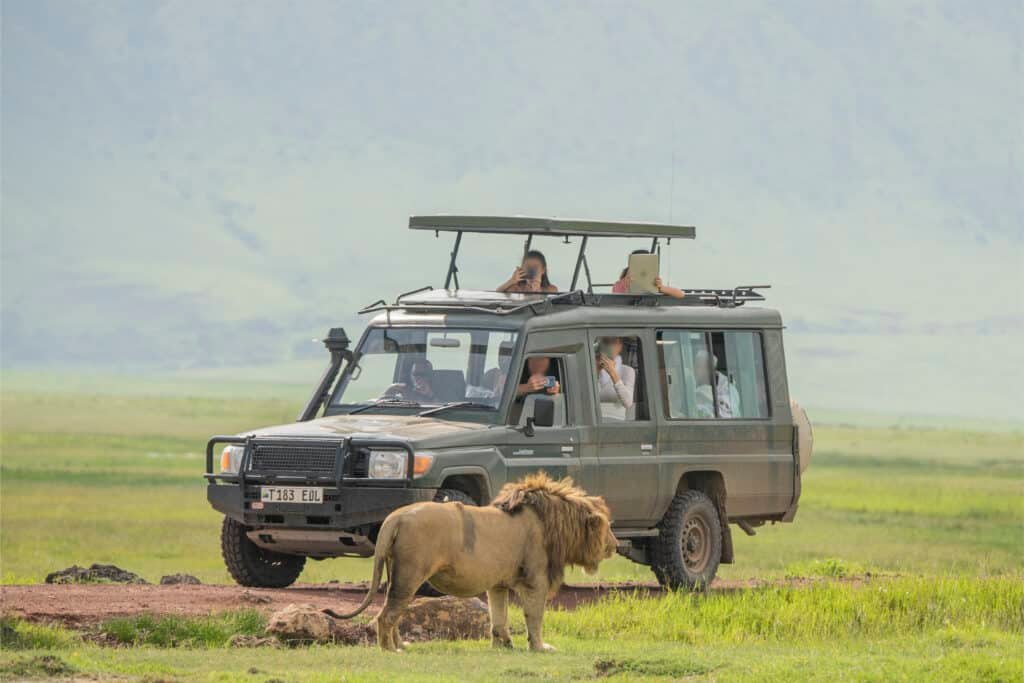
Shoulder Seasons: January, February, March, June, November and early December
The shoulder seasons provide numerous advantages for travelers. Generally, the weather is stable, and wildlife viewing opportunities are exceptional. These periods are among the best times to embark on a safari in East Africa, offering an ideal balance of cost, excellent game viewing, and fewer crowds. However, it’s worth noting that February is particularly popular in the Southern Serengeti due to the Migration and the calving season. This can lead to higher prices in this specific region during that time. Gaining insight into the best time for an East African safari will help you decide between shoulder and peak seasons based on your preferences and what you wish to experience.
East African Safari Festive Season: Christmas and New Years
Celebrating the festive season in the heart of nature is an extraordinary experience. As winter snows start covering the Northern Hemisphere, the African sun ushers in warmth and vitality. This makes East Africa an exceptional destination for the holidays, offering a breathtaking wildlife haven ready for discovery. Festive season safaris provide something for everyone, making them perfect for creating cherished family memories. For those traveling with children, thoughtfully curated family-friendly accommodations and fantastic activities add to the allure. This ensures an unforgettable adventure for all ages.
Green Season: April + May
Don’t let the long rains discourage you, as prices drop significantly during this time, making it a cost-effective period for a safari adventure. If you are okay with occasional rain or thunderstorms, you might find this season an excellent opportunity to extend your stay, with many travelers staying twice as long compared to peak seasons.
Kenya’s Laikipia region is ideal for Big 5 wildlife viewing, being less affected by rain. Traveling in April and May offers reduced foot traffic and a more exclusive safari experience. The best time for an East African safari depends on your priorities, like budget, exclusivity, or wildlife sightings.
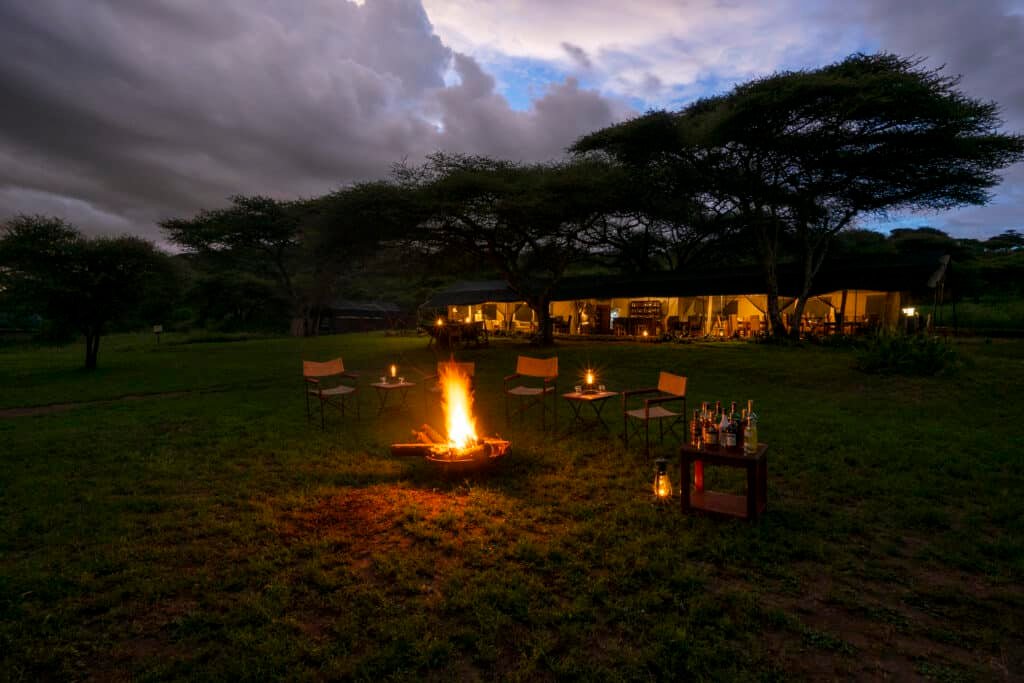
Conclusion: Choosing the Best Time for an East African Safari Adventure
Determining the perfect time for an East African safari is not a one-size-fits-all decision. The ideal timing largely depends on your chosen destination and the unique experiences you‘re seeking. For many, the dry season from July to October offers unparalleled opportunities for wildlife viewing, with October often regarded as a standout month for exceptional encounters across the region. However, the green and shoulder seasons come with their own benefits, including cost savings and breathtakingly verdant landscapes. Plan thoughtfully, and you’re guaranteed an African adventure filled with unforgettable moments.
Looking for guidance in planning your Africa safari? African Diurnal Safaris boasts a team of seasoned consultants, ready to share their extensive knowledge and firsthand experience with you.
 Email: info@africandiurnalsafaris.com
 Website: www.africandiurnalsafaris.com