Samburu National Reserve, located in northern Kenya, is a wildlife-rich area characterized by its stunning landscapes and unique biodiversity. Covering approximately 165 square kilometers, the reserve lies on the banks of the Ewaso Ng’iro River. It is part of a larger ecosystem that includes the nearby Buffalo Springs and Shaba National Reserves. Samburu is renowned for its distinctive wildlife, picturesque scenery, and the rich cultural heritage of the Samburu people.
Geography and Terrain
The terrain of Samburu National Reserve is diverse, encompassing arid savannahs, riverine forests, and rugged hills. Key geographical features include:
- Ewaso Ng’iro River: The lifeblood of the reserve, this river attracts a variety of wildlife to its banks, especially during the dry season.
- Doum Palm Groves and Riverine Forests: These lush areas along the river provide essential habitats for many species.
- Open Grasslands and Shrublands: The drier areas of the reserve are home to a variety of grazing animals and predators.
- Koitogor and Ololokwe Mountains: These rocky outcrops and hills offer dramatic backdrops to the reserve’s landscapes.
Wildlife in Samburu National Reserve
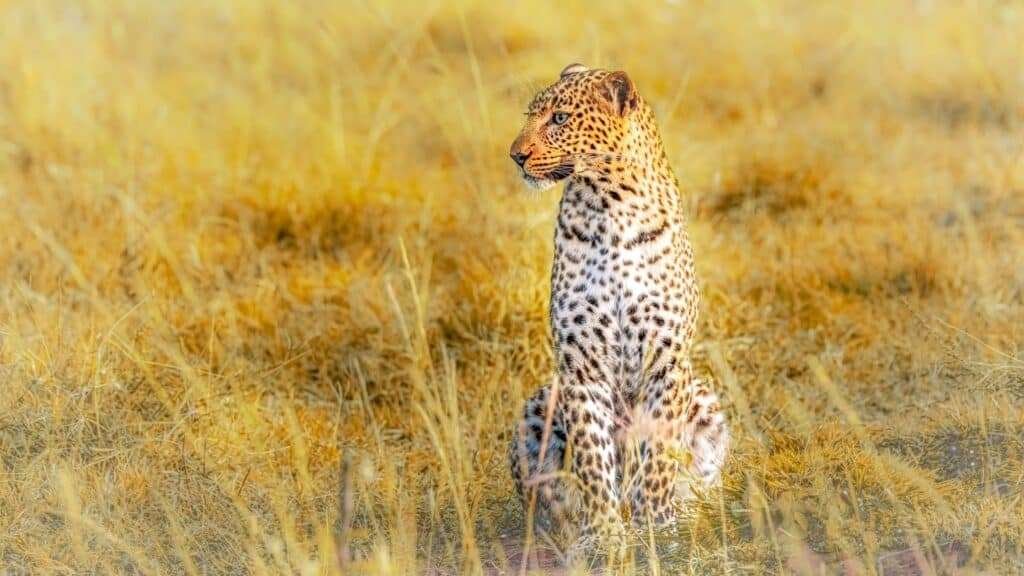
The reserve serves as a sanctuary for elephants and predators such as lions, leopards, and wild dogs. The birdlife in Samburu is rich, featuring over 450 documented species, including vulturine guineafowl, lesser kestrel, and the taita falcon.
For those passionate about wildlife and safaris, one of the most thrilling reasons to explore Samburu is the presence of quasi-endemic species that have evolved to thrive in the drier and more rugged terrain.
- Gerenuk / Giraffe Gazelle: Gerenuk means ‘long necked’ in the Samburu language and they do indeed have comically long necks.
- Somali Ostrich: While other ostrich species have pink necks and legs, Somali ostriches go in for grey-blue skin. It’s easy to spot the males in mating season – their legs and necks turn bright blue!
- Grevy’s Zebra: one of Africa’s most endangered large mammals, finds a crucial refuge within Samburu National Reserve. Samburu is among the last strongholds of this remarkable species,
- Reticulated giraffe: These giraffes are almost instantly recognisable because of their big, ‘liver-coloured’ rosettes that are very different to the lighter and smaller patches of their southern cousins.
- Beisa Oryx: This is an antelope found in Samburu national reserve, Kenya and is known for its striking black and white facial markings and long, straight horns. It is also referred to as the East African oryx and is well-adapted to its arid and semi-arid habitat.
Top Activities and Attractions in Samburu
Visitors to Samburu National Reserve can enjoy a range of activities that showcase its natural beauty and wildlife:
- Game Drives: The primary way to explore the reserve, game drives offer opportunities to see a wide variety of wildlife in their natural habitats.
- Bird Watching: With its rich avian diversity, Samburu is an excellent destination for birdwatching enthusiasts.
- Guided Nature Walks: Learn about the flora and fauna of the reserve on foot with knowledgeable guides.
- Cultural Visits: Engage with the Samburu people, learning about their traditional lifestyle, customs, and crafts. Visits to nearby villages provide insights into the rich cultural heritage of the region.
- Scenic Photography: The dramatic landscapes, unique wildlife, and vibrant sunsets make Samburu a photographer’s dream.
Conservation and Sustainability
Samburu National Reserve plays a crucial role in the conservation of its unique wildlife and ecosystems. Conservation efforts focus on protecting endangered species, such as the Grevy’s zebra and reticulated giraffe, and managing human-wildlife conflicts. The reserve also collaborates with local communities to promote sustainable tourism practices. This collaboration enhances the livelihoods of the Samburu people.
When to Visit Samburu National Reserve
The best time to visit Samburu National Reserve is in the dry season from July to September and December to March. These months provide the best wildlife viewing opportunities as the grass is short and the animals are drawn to water sources, especially to the Ewaso Nyiro river banks.
Visitor Experience
Samburu National Reserve offers a unique and intimate safari experience. It is often less crowded than other popular reserves in Kenya. Accommodation options range from luxury lodges and tented camps to more budget-friendly options. All accommodations are designed to blend harmoniously with the natural surroundings. Whether on game drives, walking safaris, or cultural excursions, visitors to Samburu are treated to an immersive and enriching experience in one of Kenya’s most distinctive and beautiful reserves.