Mikumi National Park, nestled in southern Tanzania, stands as a premier wildlife sanctuary within the expansive Selous ecosystem. Spanning approximately 3,230 square kilometers, it ranks as Tanzania’s fourth-largest national park. Established in 1964, Mikumi attracts both local and international tourists who seek an authentic and accessible safari experience.
Geography and Terrain
The park boasts a diverse landscape that includes open grasslands, acacia woodlands, and the striking Uluguru Mountains to the east. The Mkata River floodplain, a central feature, resembles the Serengeti Plains and teems with wildlife. Gentle rolling hills and picturesque vistas define the terrain, creating a scenic haven for nature lovers.
Wildlife in Mikumi National Park
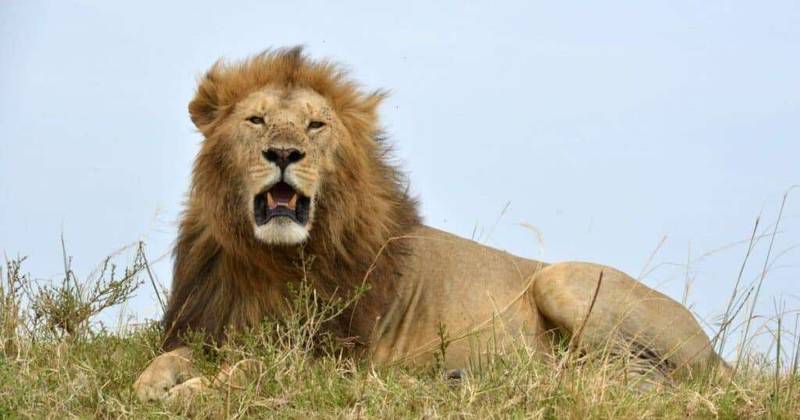
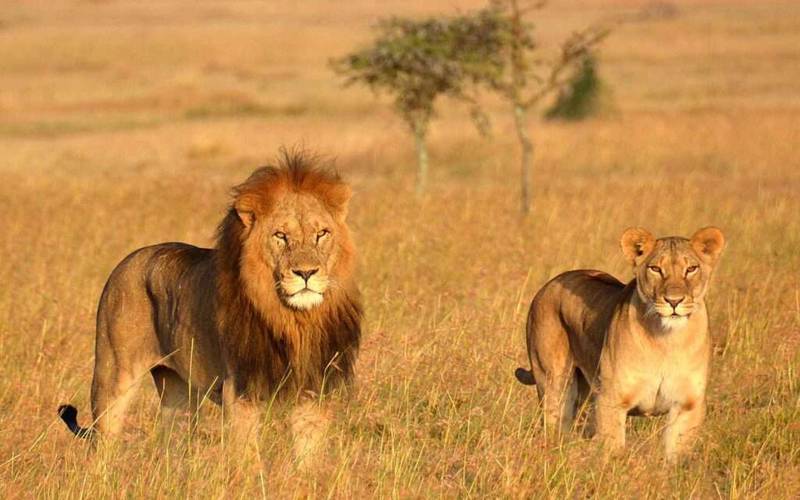
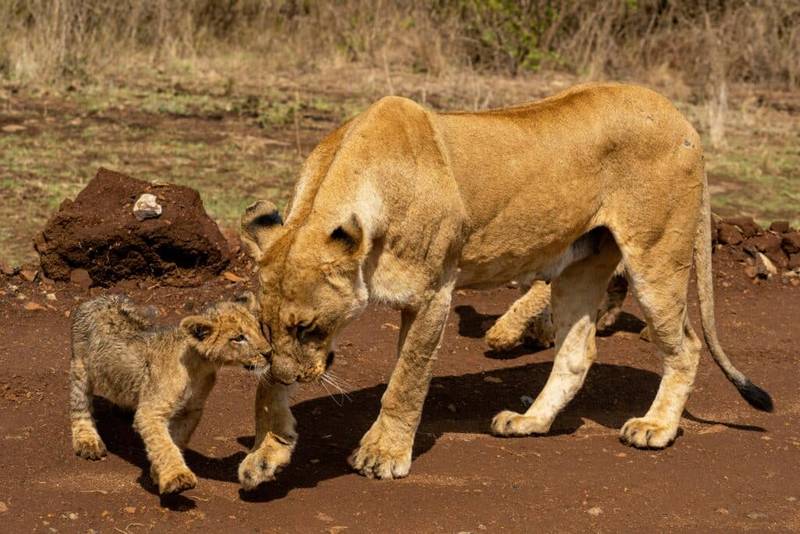
Mikumi offers an exceptional game-viewing experience, hosting large populations of elephants, buffaloes, zebras, and wildebeests. Lions are frequently seen, often resting under acacia trees or hunting in the open grasslands. Visitors can also spot the elusive eland, the largest antelope species in Tanzania. Additionally, the park is a birdwatcher’s paradise, home to over 400 species, including the lilac-breasted roller, bateleur eagle, and yellow-throated longclaw.
Top Activities and Attractions in Mikumi
Visitors to Mikumi can engage in various activities that showcase the park’s natural beauty and rich wildlife. Game drives, especially in the early morning and late afternoon, provide prime opportunities to witness animals when they are most active. For those interested in nocturnal species, night game drives offer a chance to see leopards, genets, and bushbabies. Guided walking safaris provide a more intimate experience, allowing visitors to explore the park on foot and learn about its flora and fauna from knowledgeable guides. Each walking trail reveals unique insights into the ecosystem.
Conservation and Community Involvement
Mikumi National Park is deeply committed to conservation. Anti-poaching initiatives and community outreach programs form the backbone of its management strategy. Local communities actively participate in conservation efforts, benefiting from eco-tourism through employment and revenue-sharing opportunities.
Best Time to Visit Mikumi National Park
The best time to visit Mikumi National Park is during the dry season, from June to October.
The dry season is also an excellent time for game drives because navigating the park is easier.
Moreover, the weather during this time is generally sunny and warm, with fewer chances of rainfall.
During this time, the vegetation is less thick, and wildlife is easier to spot as they gather around water sources.
Visitor Experience
Easily accessible from Dar es Salaam, Mikumi National Park is an ideal destination for both day trips and extended safaris. The park offers various accommodation options, from basic campsites to luxury lodges, ensuring a comfortable stay for all travelers. Unlike the more crowded parks in Tanzania, Mikumi’s relatively low visitor numbers provide a tranquil and exclusive safari experience.
Its strategic location also makes Mikumi a convenient stopover for travelers heading to other southern Tanzania destinations like Ruaha National Park and Nyerere National Park. Whether exploring wildlife-rich plains, embarking on a walking safari, or simply enjoying breathtaking landscapes, visitors to Mikumi National Park are guaranteed an unforgettable adventure in one of Tanzania’s most captivating natural areas.