
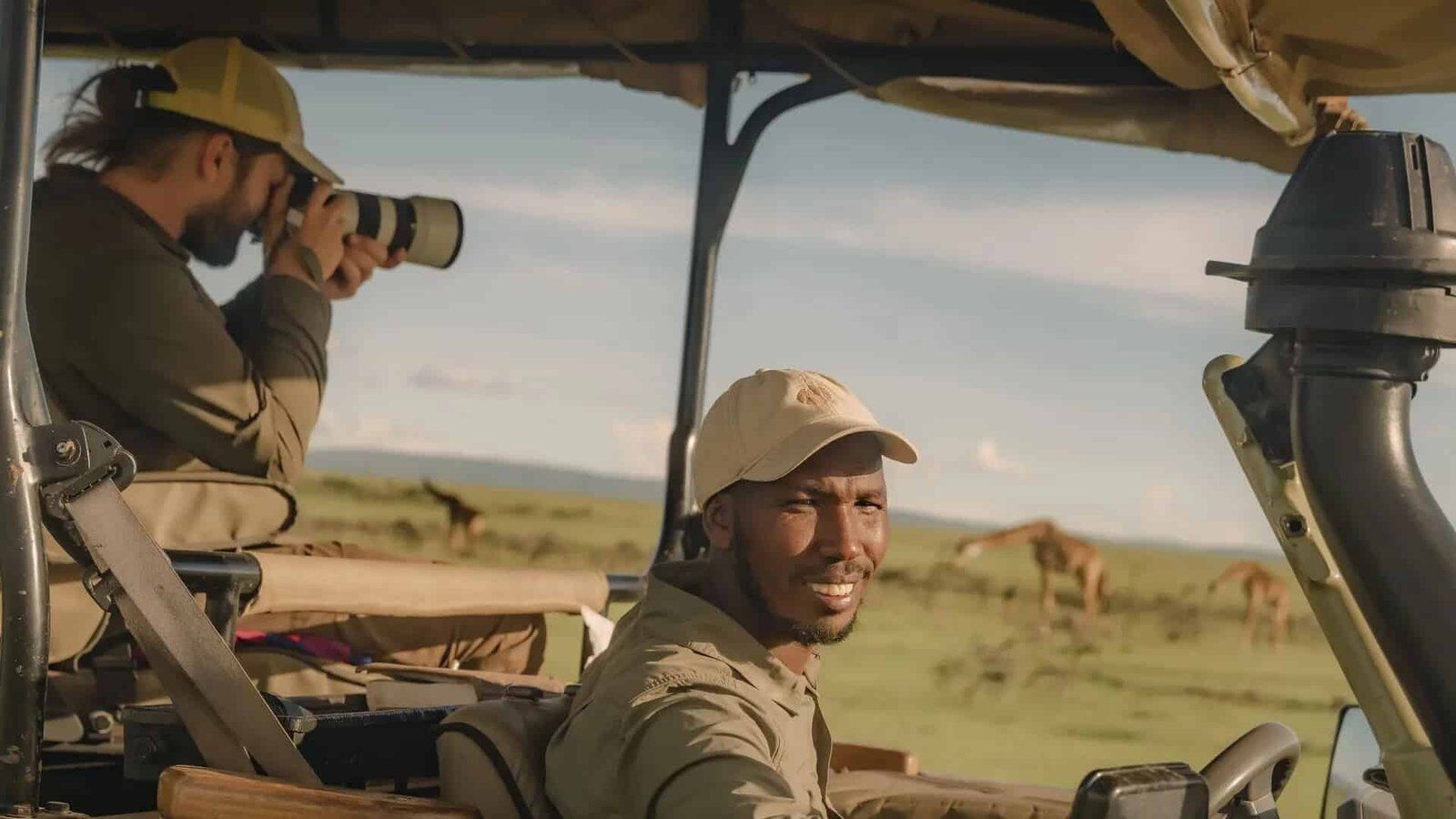
Tanzania, one of the best places in the world to capture the essence of the wild. It is a jewel of East Africa and famous for its wide savannas and its variety of animals. It’s a great setting for wildlife photographers. Whether you are a seasoned shutterbug or fledgling enthusiast, a photographic safari in Tanzania is a once-in-a-lifetime experience. Moreover, these are the secrets to wildlife photography from the safari specialists of Tanzania. They will help you capture nature at its best.
Why Choose Tanzania for Photographic Safari
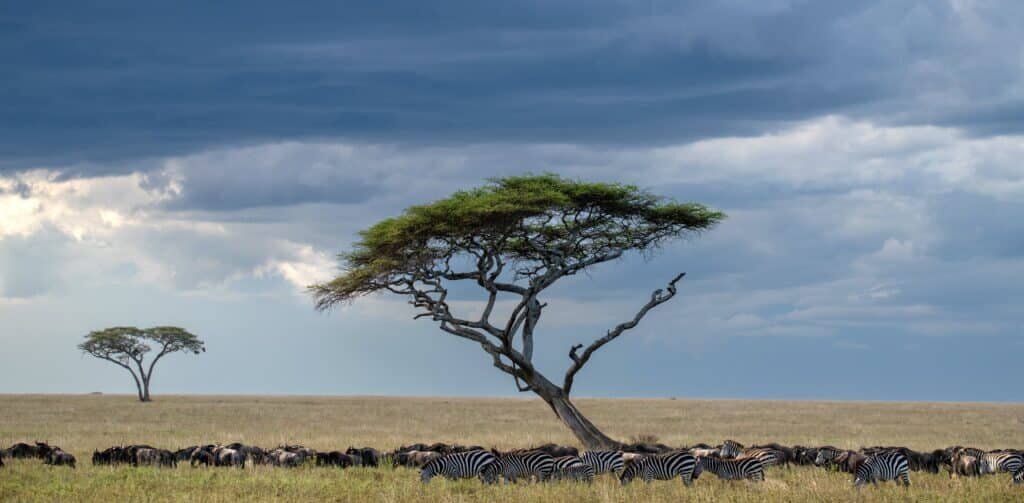
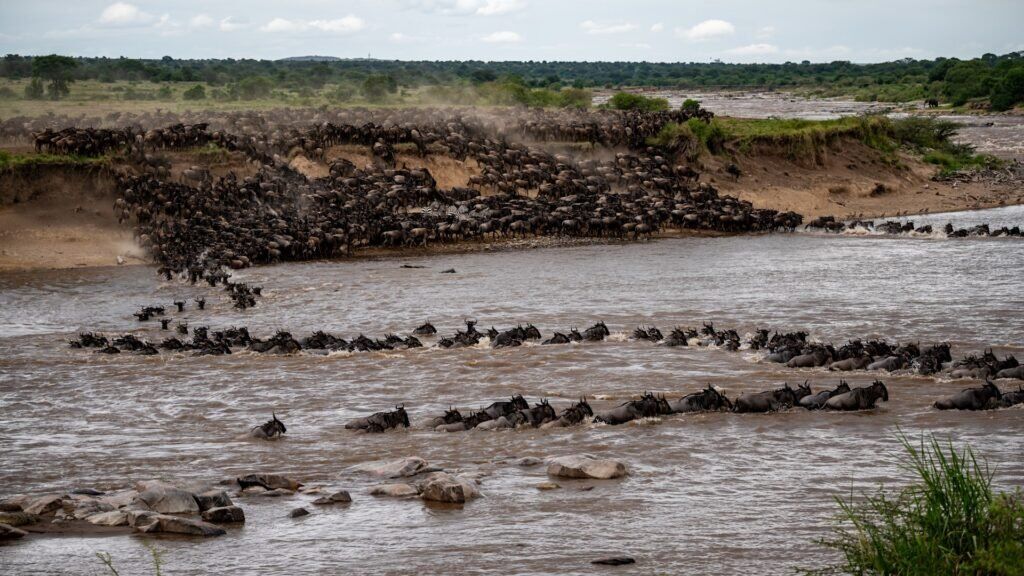
Tanzania is a prime destination for wildlife photography, with its classic scenery and an incredible variety of resident species. Tanzania has a massive range of photographic possibilities, from the stately lions of the Serengeti National Park to the rare leopards of Ruaha National Park. Significantly, the yearly Great Migration is a spectacle every wildlife photographer dreams about. During this event, millions of wildebeests and zebras migrate over the Serengeti plains. Capture stunning moments during this event, including dramatic predator-prey interactions and breathtaking sunsets.
Besides the large beasts, Tanzania is home to over 1,000 species of birds. This affords countless opportunity to photograph their bright colours and strange behaviour.
Tips for a Photography Safari in Tanzania: Capturing Stunning Wildlife Shots
To be a wildlife photographer in Tanzania you need to be patient, skilled and creative. Some pro tips to take your photography to the next level:
Understand Animal Behaviour:
Understanding the behaviour of the animals you are photographing will greatly increase your chances of getting that ideal snap. Observe your subjects for a while, noticing their patterns and motions. This knowledge will enable you to predict action and be ready to seize the moment.
Use Proper Equipment
If you want to take pictures of animals, you’ll need a camera with a quick shutter speed and a good zoom lens. We recommend 200mm to 500mm or longer for wildlife at a distance so you get close to the action without disturbing the animals. Tripods and monopods can be a godsend also in terms of stabilising your camera for long shots. Bring two cameras if you can so you don’t have to waste precious time swapping lenses.
Shoot During Golden Hours
Early morning and late afternoon for the lighting are the greatest times for photography. These times provide a gentle warm light to add depth and character to your photographs. Your guide will make sure you are on wildlife drives at suitable moments on a photographic safari.
Carry Spare Batteries and Memory Cards
Imagine watching a wildebeest calf take its first stride, but the camera battery is dead so you can’t capture the event. Bring extra batteries and memory cards so you don’t miss out.
Private Vehicle Travel
On a group Tanzania safari, the guide has to take everyone’s wishes into consideration, so you may not be able to linger at sightings as long as you’d want. Request private game drives – this allows you flexibility to position for the optimal angles and timing.
Use a Camera Stabiliser
A safari 4×4 journey might be quite bumpy! Bring a camera stabiliser so that you may continue to get the finest possible shots.
Best Destinations for Photographic Safari in Tanzania
Tanzania is home to many places that offer exceptional wildlife photography experiences:
Serengeti National Park
The Serengeti National Park is a photographer’s dream especially when the Great Migration is happening. Here you can get stunning photographs of predators hunting and herds crossing the hazardous Mara River in noirthern Serengeti to Masai Mara National Reserve in Kenya.
The Ngorongoro Crater
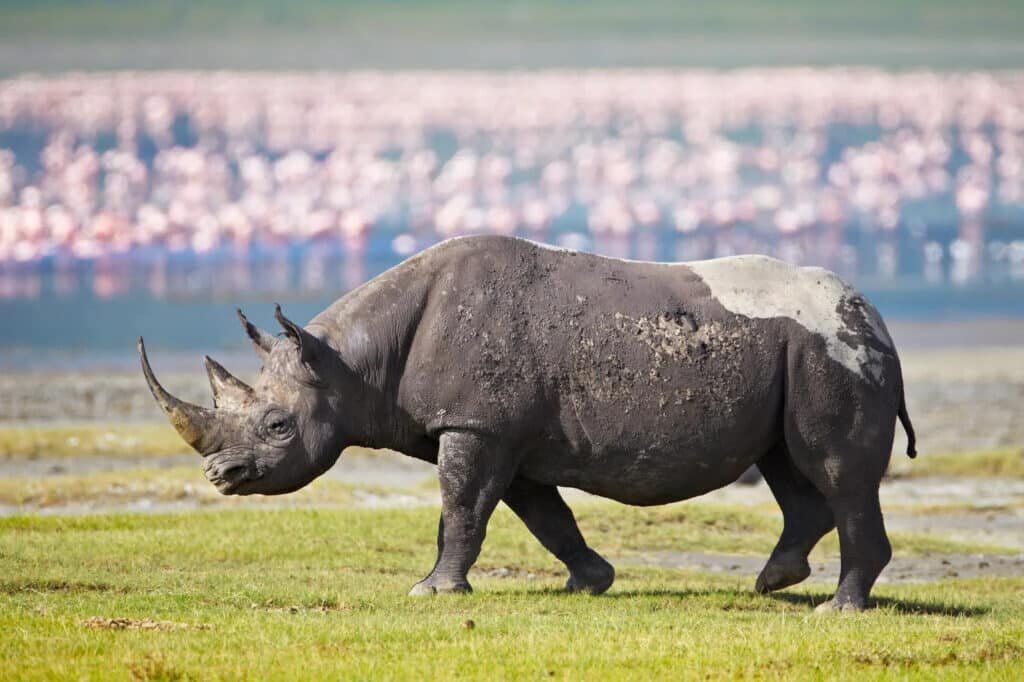
This is the largest unflooded, unbroken caldera in the world and home to a high concentration of wildlife, making a photographic safari a thrilling experience. The Big Five are all located here, and it’s one of the best places to see the endangered black rhino. is a unique place with a huge volcanic caldera giving a spectacular backdrop for images of elephants, rhinos and more.
Tarangire National Park
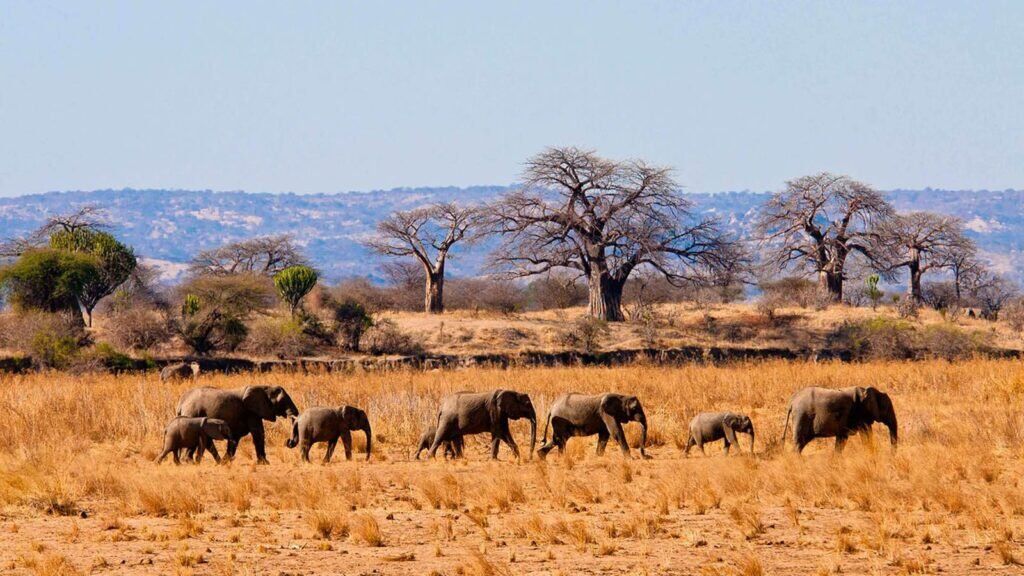
Renowned baobab trees make for spectacular compositions, especially against the bright Tanzanian sunsets.
Lake Manyara National Park
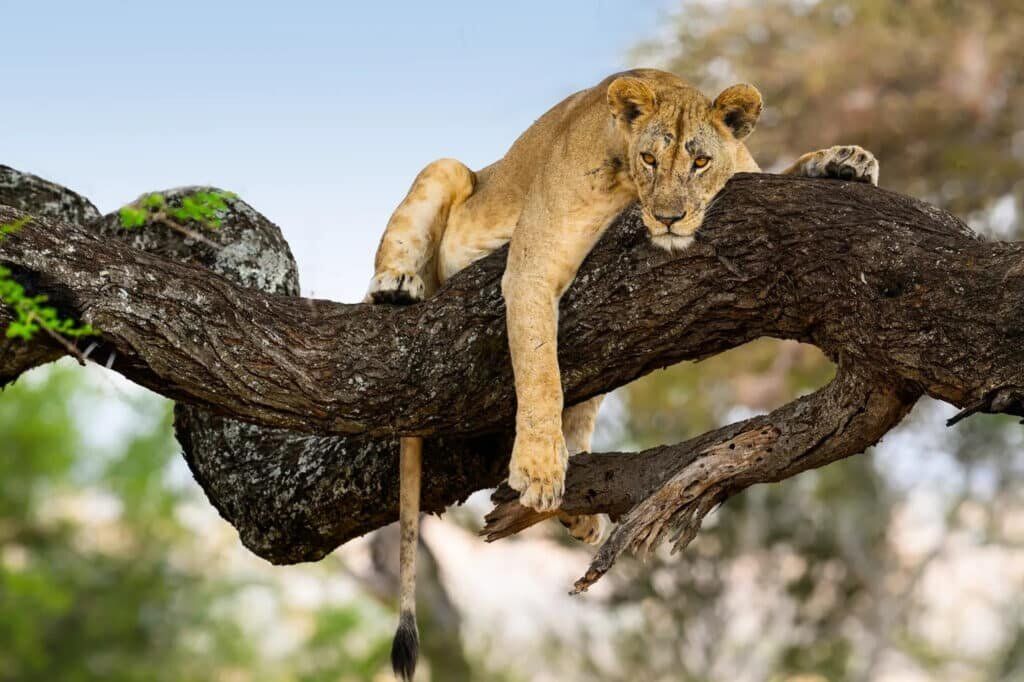
It is one of the lesser parks in Tanzania yet a special site to visit. The tree-climbing lions and flamingos that flock to the soda ash lake make this park an iconic safari destination for photographers.
Ruaha National Park
Diverse wildlife and rugged terrain make Ruaha National Park a popular destination for both wildlife and landscape photographers. As one of Tanzania’s lesser-visited parks, you’ll enjoy a sense of exclusivity on a safari here.
Nyerere National Park (Formely Selous)
One of Africa’s largest reserves, this destination offers a remote and uncrowded photographic adventure. Boat safaris on the Rufiji River offer a unique perspective on the diverse wildlife, which include elephants, lions, leopards, cheetahs, giraffes, and zebras.
Mahale Mountain National Park
This park on the shores of Lake Tanganyika is the perfect choice if you want to capture primates in the wild. Home to a large chimpanzee population, this destination is also superb for spotting red colobus monkeys, yellow baboons, leopards, civets, and a range of bird species.
Photography Meets Culture: Tribal Storytelling
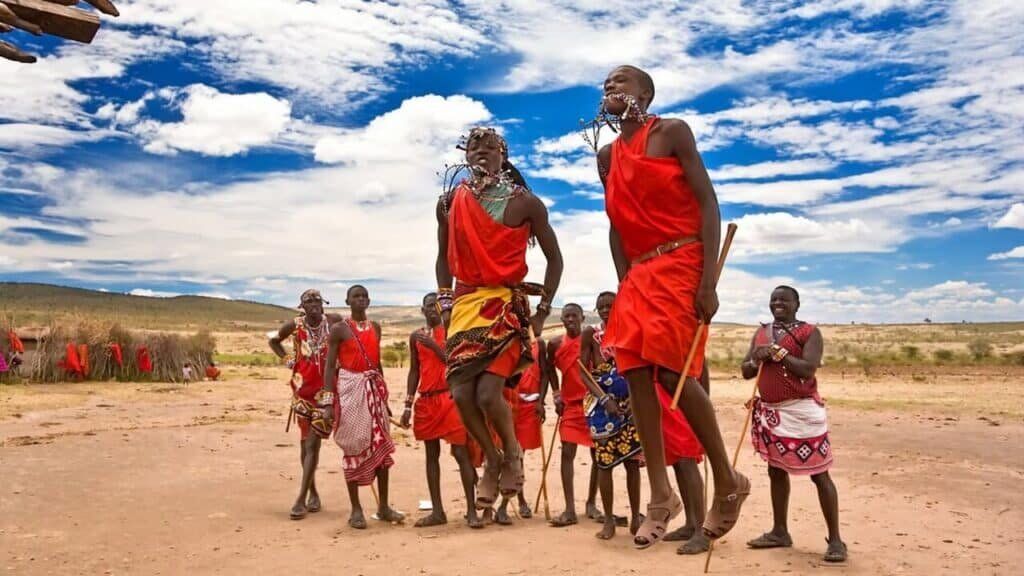
Tanzania is a paradise for wildlife photographers, but also a cultural tapestry just waiting to be explored. Live with local Maasai communities and experience their life and traditions. Hadzabe tribe Tanzania’s last hunter-gatherers, perfect for raw, candid documentary style shots. Many lodges also offer cultural tours to see local customs and crafts, adding a human touch to your photographic journey.
Best Time for Tanzania Photo Safari
For the Great Migration
Timing is crucial if your dream is to photograph the migration as the herds move through different areas of the Serengeti ecosystem at different times of the year.
- January–March: Ndutu and southern Serengeti, calving season, predators in full swing
- April-June: transition period in the central Serengeti, herd movement and rutting activity
- June-July: western corridor and Grumeti area
- August-October: Northern Serengeti, best chance to see river crossings.
- November – December: Movement starts moving south again depending on rains and grazing conditions.
This means the “best” time for photographers depends on whether you want calving scenes, herd movement, rutting behaviour or river crossings.
For Big Cat Photographers
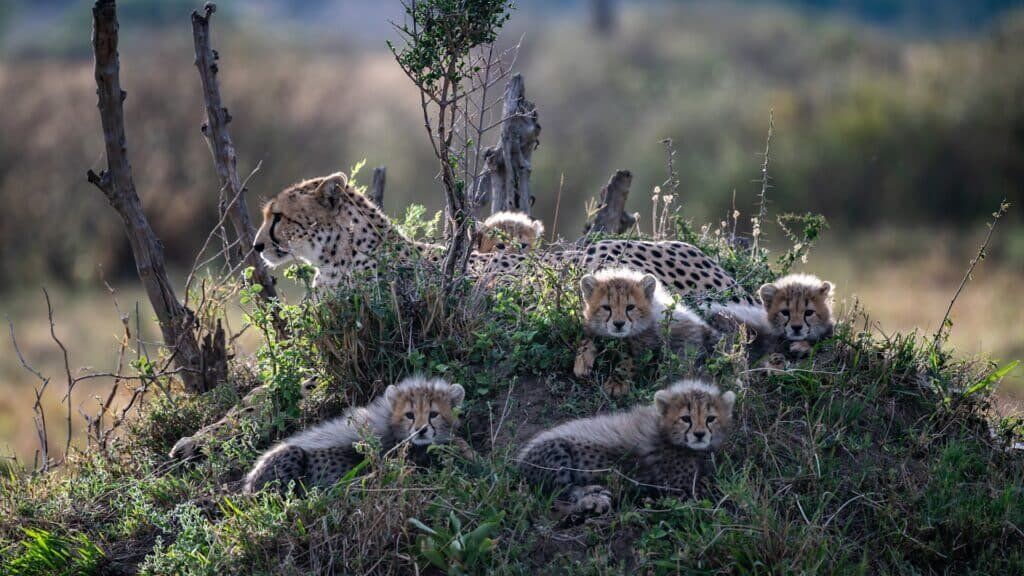
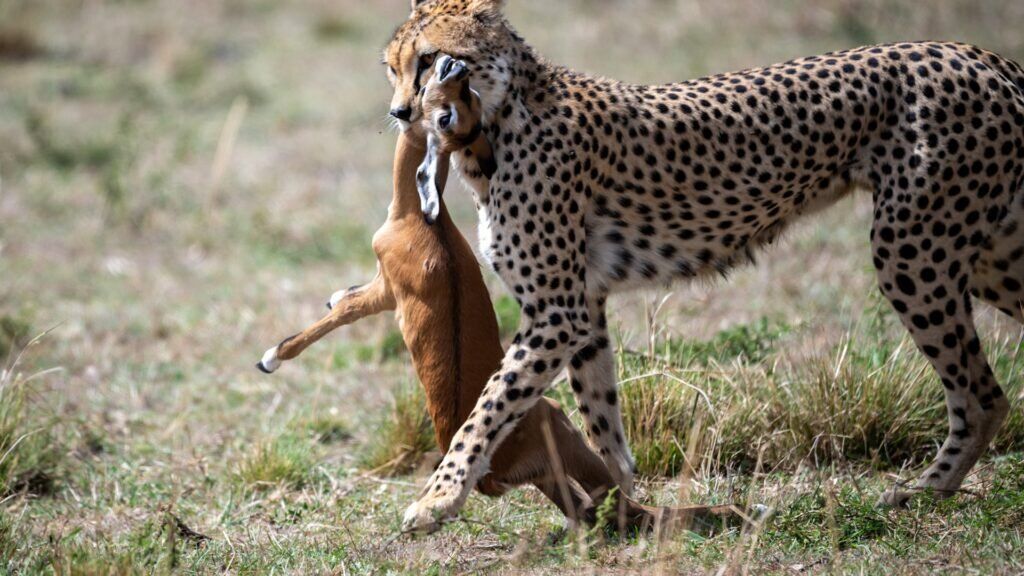
Big cats can be found and photographed throughout the year in Tanzania, but some times are more rewarding. The calving season in Ndutu from late January to early March can be exceptional, as predator activity often increases around the large concentration of wildebeest and newborn calves. It is also a very strong time for predators in the Serengeti, particularly during the dry season (June to October) when visibility is better and animals are easier to track in thinner grass.
For Landscape and Elephant Photography
Tarangire is especially rewarding in the dry season for lovers of elephants, baobabs, dust and warm evening light, when wildlife is more predictable and conditions are often cleaner for photography. Generally, June to October is one of the best periods for classic dry season imagery in northern Tanzania, more broadly.
For Birds and Green Scenery
If you like birds and atmosphere and green landscapes, the green season can be lovely. This means more rain, but also more colour, more dramatic skies, and a softer palette of the landscape. Birdlife is usually particularly rewarding at this time, and some travellers also enjoy the lower crowd numbers and lower rates during the long-rain season.
So, When Should You Opt for Tanzania Photo Safari?
For classic wildlife photography, go between June and October for the safest all-round answer. If you want the most dramatic predator-newborn stories, aim for January to March, particularly around Ndutu. If the iconic Mara river crossing shot is what you’re after, aim for July to October and base your itinerary around the northern Serengeti. Truth be told, Tanzania rewards photographers the whole year round, but every season has a different story to tell.
Start Planning Your Tanzania Photographic Safari Today
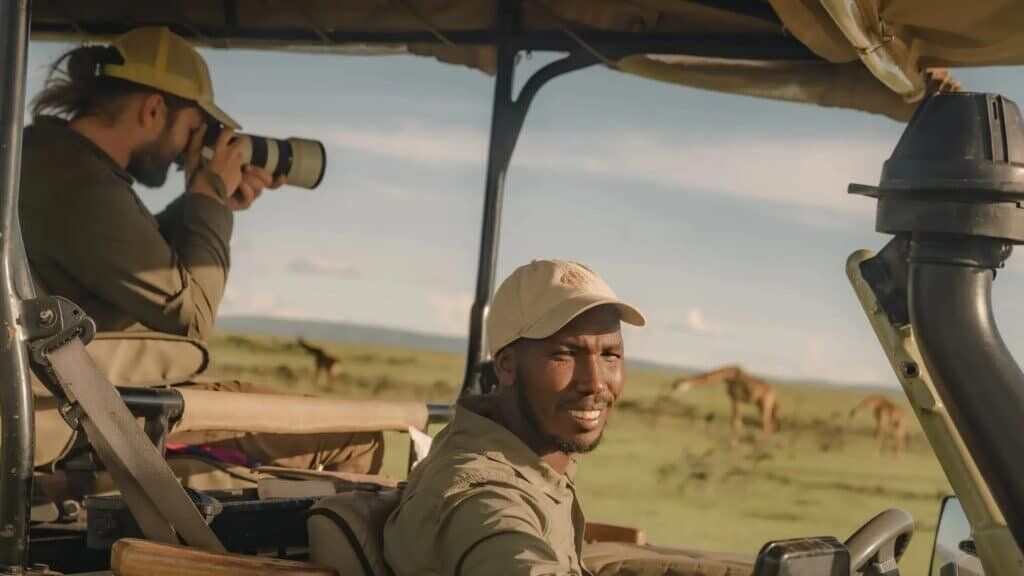
Being an avid photographer as well, plus having endless patience and knowing the behaviours of wildlife and the wide variety of birds, your guide makes the entire experience exceptional. After a lifetime of working in the wilds of Africa, they have a sixth sense regarding the animal’s next move, whilst also understanding the importance of vehicle positioning for optimal light.
The prevailing light is vital, and your guide does everything possible to ensure you are perfectly positioned to snap the most evocative colours.
African Diurnal Safaris knowledgeable and expert team is on standby to help you plan your next spectacular Tanzania photographic safari.
Explore More Experiences or Enquire Now to Start Planning Your Dream Tanzania Safari…



 Google
 Tripadvisor


