
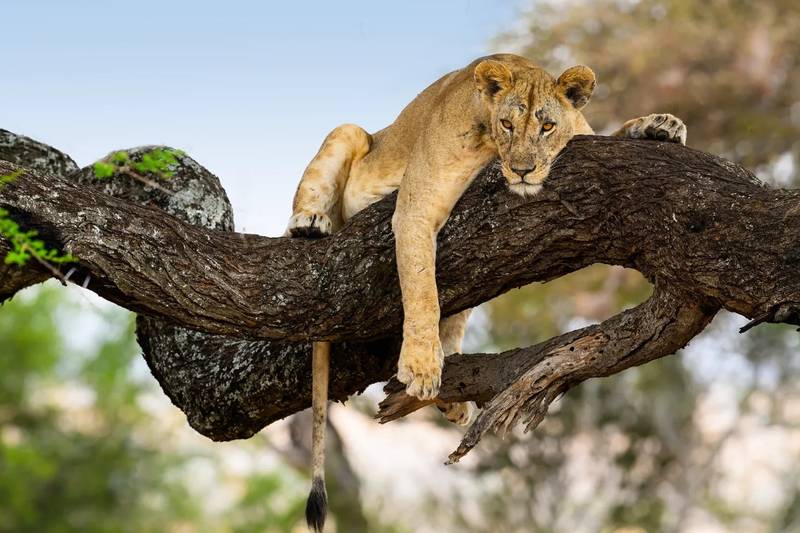
Tanzania is one of those destinations in East Africa that almost always exceeds expectations. The landscapes are vast, the wildlife is abundant. Also, the experience of being in the African bush is unlike anything most travelers have encountered before. For those planning their first or even their second visit, booking guided Tanzania safari tours is the most reliable way to make sure you see as much as possible. It also ensures you travel safely and comfortably. But what to expect on a guided safari in Tanzania, how does it look like from day to day? This overview includes everything you need to know before you go.
What a Typical Safari Day Looks Like
One of the first things that surprises many visitors is how early the day begins on a safari in Tanzania. Most guided tours start with a wake-up call before sunrise, often around 6:00 or 6:30 in the morning. This is not without reason. The cooler hours of the early morning are when animals are at their most active. Moreover, the soft light of dawn creates ideal conditions for wildlife viewing and photography.
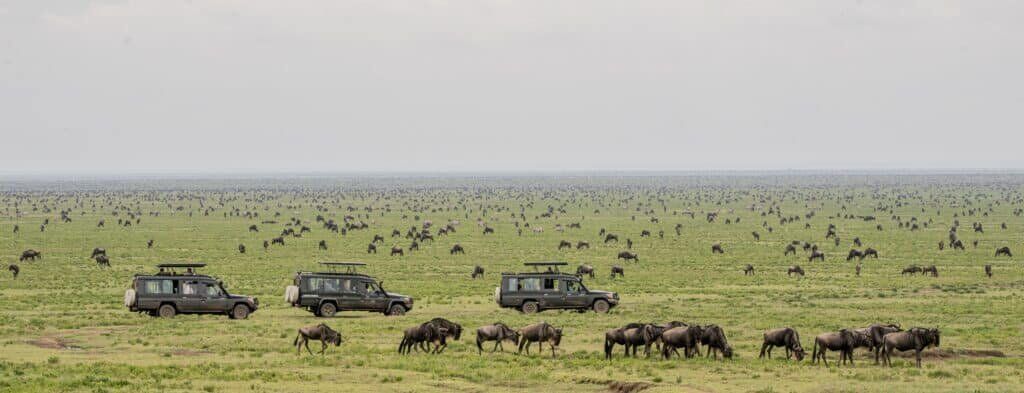
After a light breakfast, the morning game drive typically lasts three to four hours. Depending on the park and the season, you might cover a significant amount of ground. Alternatively, you may spend extended time observing a particular animal or scene that warrants it. A mid-morning return to camp is followed by a hot meal and time to rest. You also have an opportunity to review the morning’s photographs or simply take in the surroundings. The afternoon game drive begins in the mid to late afternoon and continues until sunset. Afterward, guests return to camp for dinner and the sounds of the African night.
Your Guide: The Key to an Exceptional Safari Experience
The quality of your guide has a greater impact on your Tanzania safari experience than almost any other factor. A skilled and knowledgeable guide brings the bush to life in ways that go far beyond simply spotting animals. Furthermore, they understand animal behavior and can anticipate where wildlife is likely to be found at different times of day. They are also able to interpret tracks, sounds, and subtle environmental cues that would go completely unnoticed by an untrained observer.
Beyond their technical knowledge, good guides are also storytellers. They provide context about the ecosystems you are moving through and the conservation challenges facing Tanzania’s wildlife. Additionally, they share the cultural traditions of the communities that live alongside these landscapes. As a result, a great guide transforms a safari from a sightseeing exercise into a genuinely educational and deeply personal experience.
Accommodation Options: From Tented Camps to Luxury Lodges
Guided safari in Tanzania offer a wide range of accommodation options to suit different budgets and preferences. At the more adventurous end of the spectrum, classic tented camps place you directly in the heart of the bush. The sounds of wildlife are just outside your canvas walls. Despite the rustic setting, many tented camps offer surprisingly high levels of comfort. For example, they often provide proper beds, en-suite bathrooms, and excellent food.
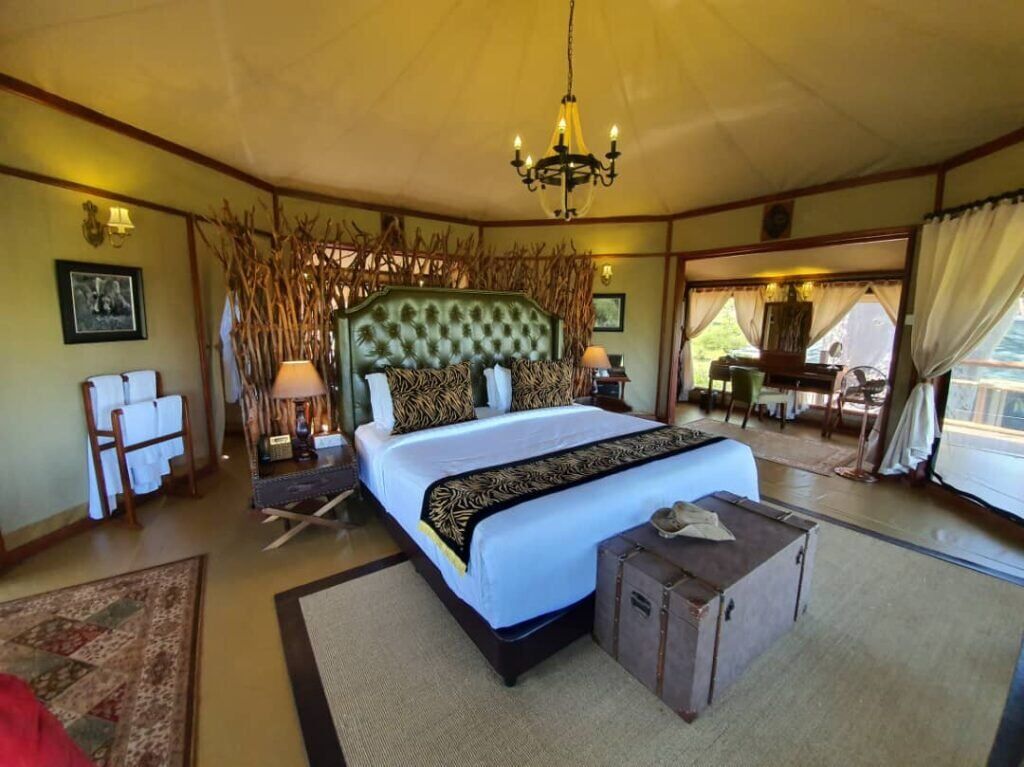
For those who prefer a higher level of luxury accommodations, Tanzania has an impressive selection of high-end lodges and boutique properties. These properties combine outstanding comfort with exceptional wildlife access. Some lodges are built into rocky outcrops or positioned on riverbanks, offering dramatic views and the chance to observe animals from the comfort of a private terrace. Whichever type of accommodation you choose, the experience of falling asleep to the distant call of a hyena or waking to birdsong at dawn is one that connects you to the natural world in a profound way.
Wildlife Encounters: What You Are Likely to See
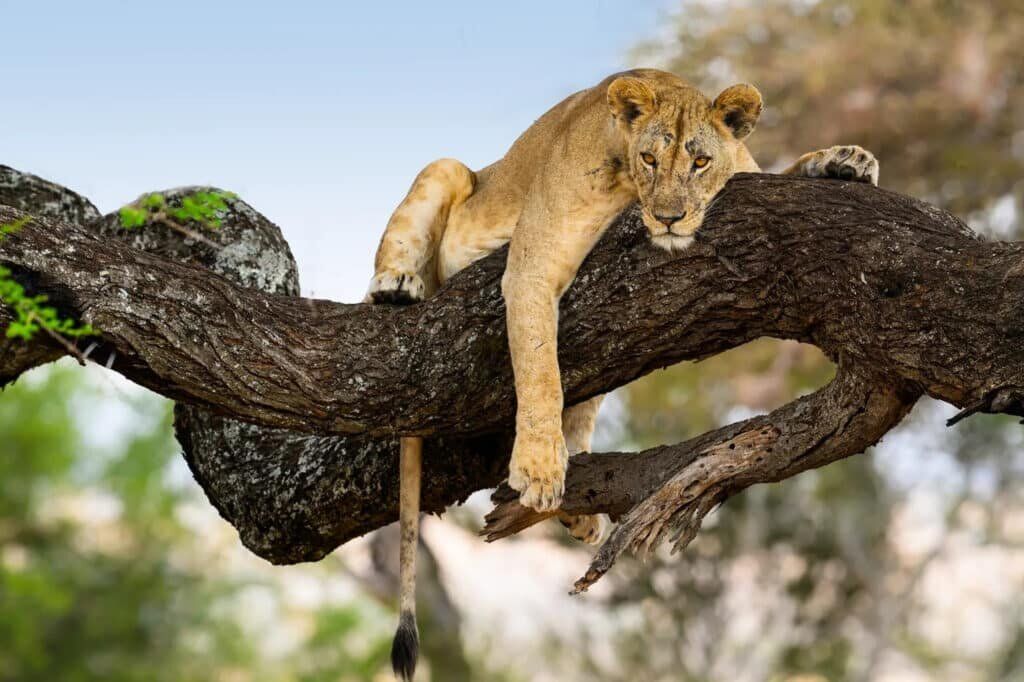
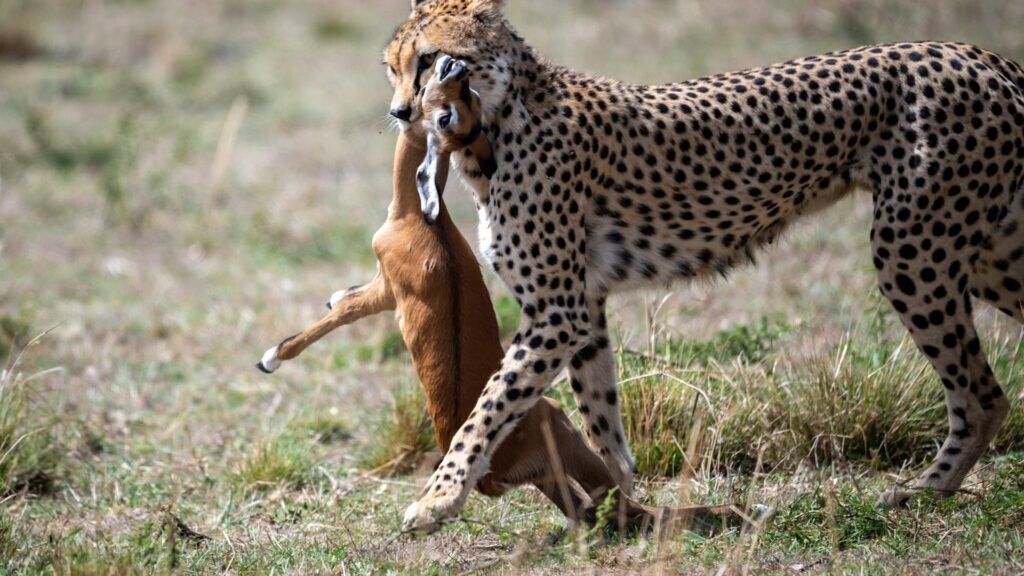
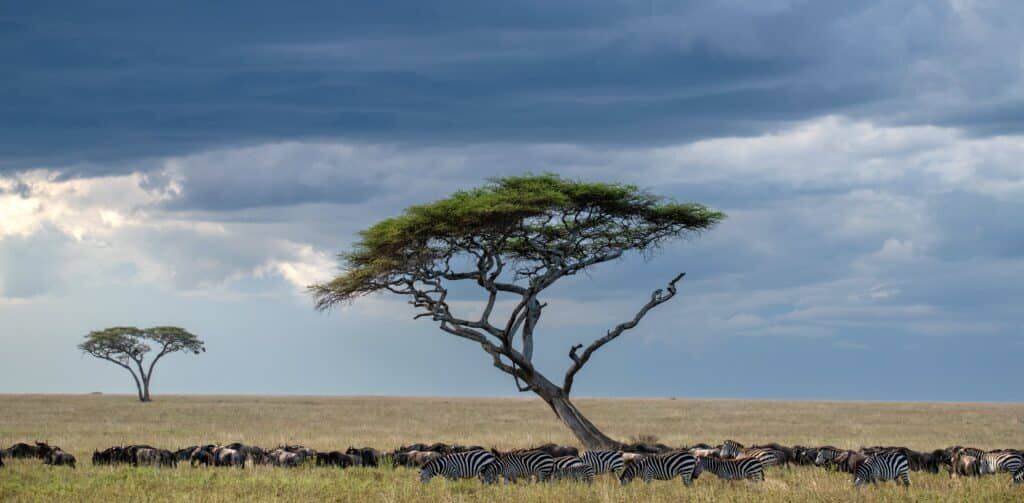
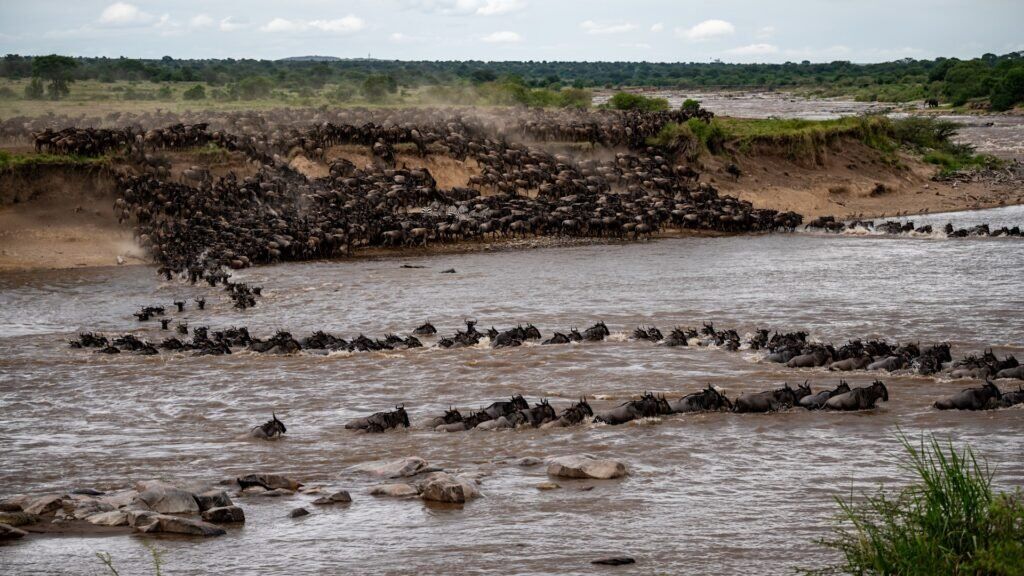
Tanzania’s national parks and reserves support an extraordinary diversity of wildlife. In the Serengeti National Park, lions, cheetahs, elephants, hippos, and countless species of antelope are a near-daily sighting. Between July and October, the Great Migration of Wildebeest and Zebras traverses the land in the northern Serengeti. They cross the Mara River from Serengeti to Masai Mara in Kenya. This creates one of the most dramatic wildlife spectacles on earth.
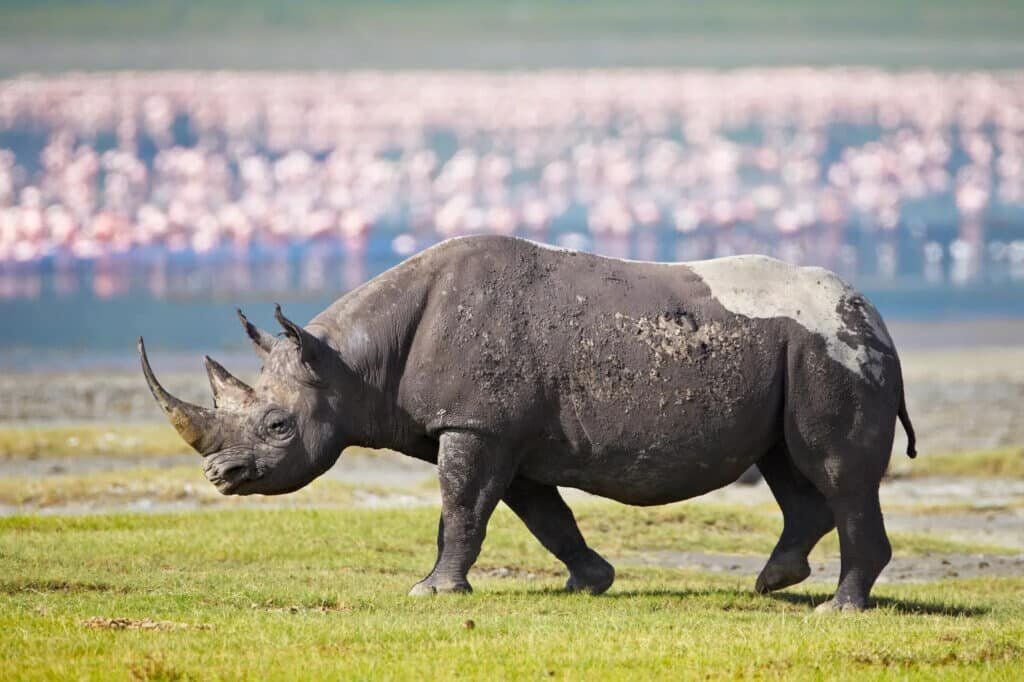
In Tarangire National Park , large elephant herds moves on the banks of the Tarangire river. Meanwhile, Ngorongoro Crater offers is the top choice for rhino encounters and also offers excellent sightings of the other wildlife. Bird life throughout Tanzania is equally impressive, with over 1,000 recorded species making the country a destination of note for dedicated birders as well. Sightings can never be guaranteed, as wildlife is wild and unpredictable by nature. However, Tanzania consistently delivers encounters that leave visitors genuinely speechless.
Safety on a Guided Tanzania Safari: What You Need to Know
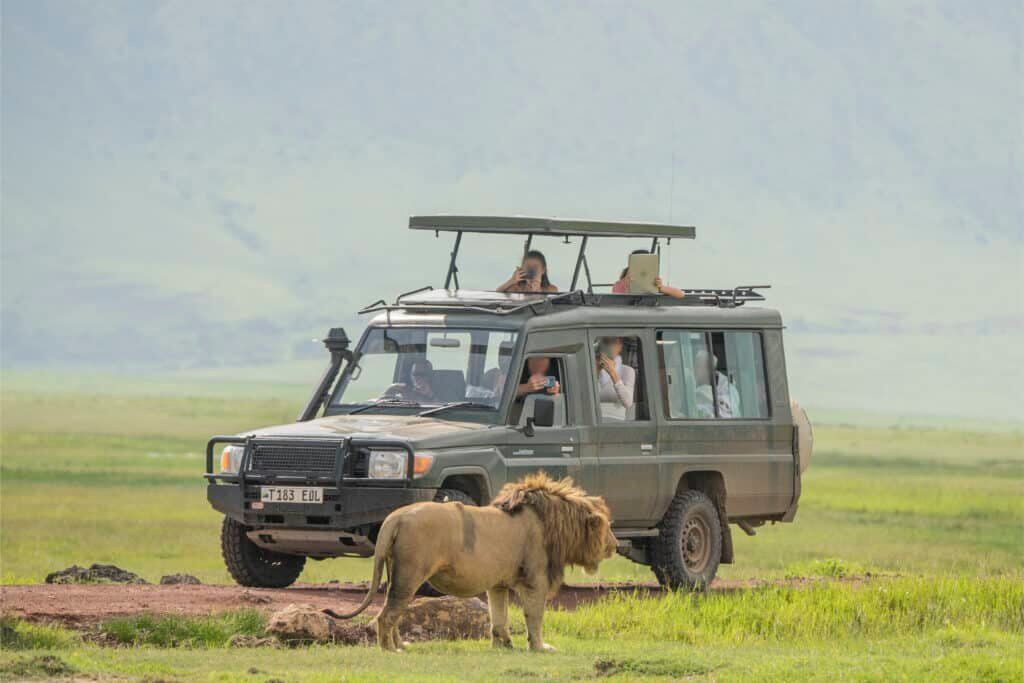
Tanzania Safari Tours is generally very safe when conducted through a reputable safari operator. Your guide will brief you on the appropriate behavior around wildlife before your first game drive. Staying inside the vehicle at all times during drives, keeping voices low, and avoiding sudden movements are among the most important ground rules. These guidelines exist not to restrict your experience but to protect both you and the animals you have come to observe.
Health precautions are also worth considering before departure. Malaria prophylaxis is recommended for most safari regions in Tanzania. It is advisable to consult a travel health clinic well in advance of your trip. Sun protection, insect repellent, and staying hydrated are equally important practical considerations for a comfortable and healthy safari experience.
How to Prepare for Your Guided Safari in Tanzania
Preparation makes a meaningful difference to how much you enjoy your time in the field. Packing the right clothing is a good starting point. Neutral colors such as khaki, green, and beige are preferable to bright colors or white, which can disturb wildlife and attract insects. Lightweight layers are ideal. Mornings and evenings in the bush can be surprisingly cool even during the warmer months.
A good pair of binoculars is one of the most valuable items you can bring. Even when animals are relatively close, binoculars allow you to observe behavior and detail that would otherwise be lost at distance. A camera with a decent zoom lens will allow you to capture memories without the need to get uncomfortably close to wildlife. Beyond the practical, the most important thing you can bring to a guided Tanzania safari is an open mind and a willingness to slow down. Ultimately, the bush rewards patience, and some of the most extraordinary moments happen quietly, when you least expect them.



 Google
 Tripadvisor


