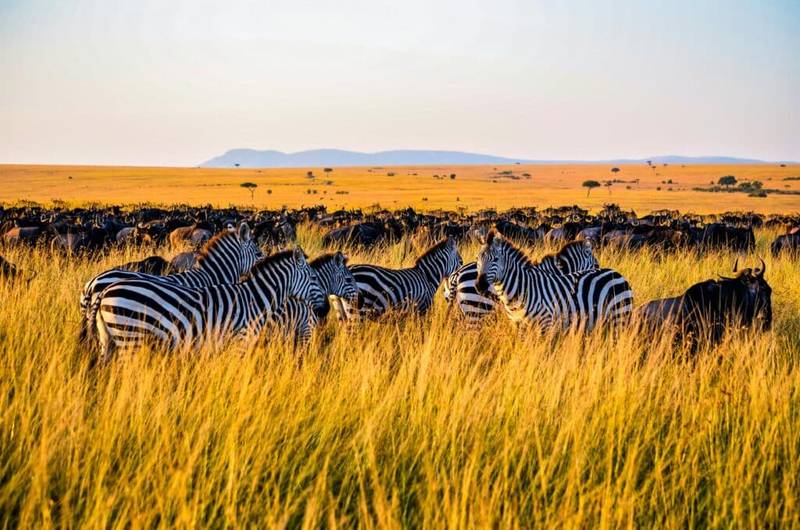
The Great Wildebeest Migration is the largest mammal migration on Earth and one of the Seven Natural Wonders of Africa. It is a breathtaking natural spectacle where millions of wildebeest, accompanied by zebras and gazelles, move across the vast plains of the Serengeti in search of fresh grazing and reliable water throughout the year.
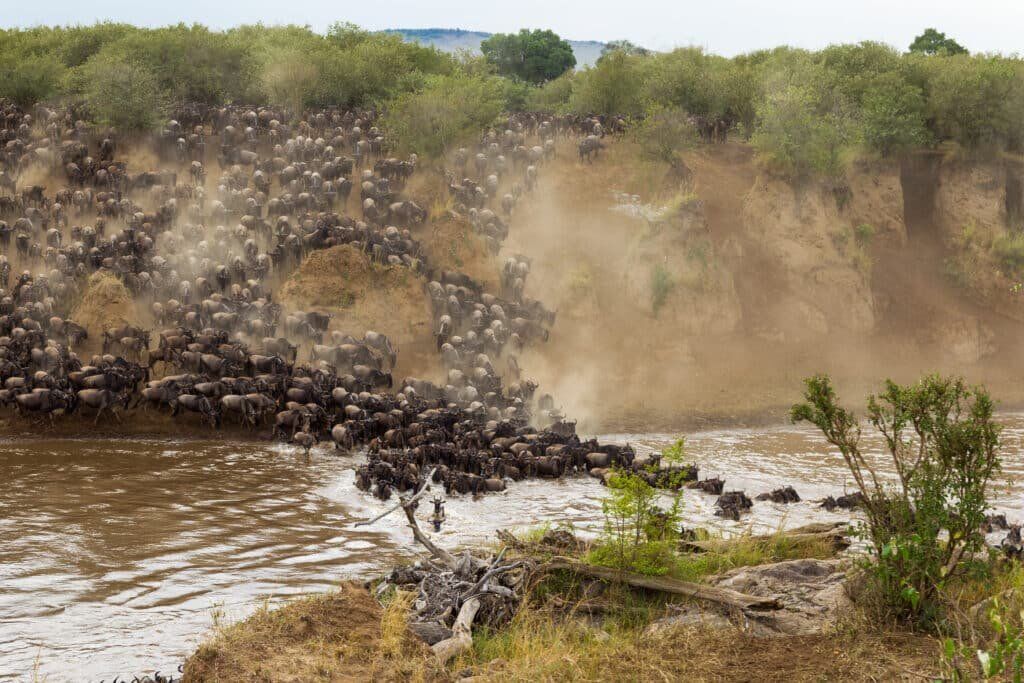
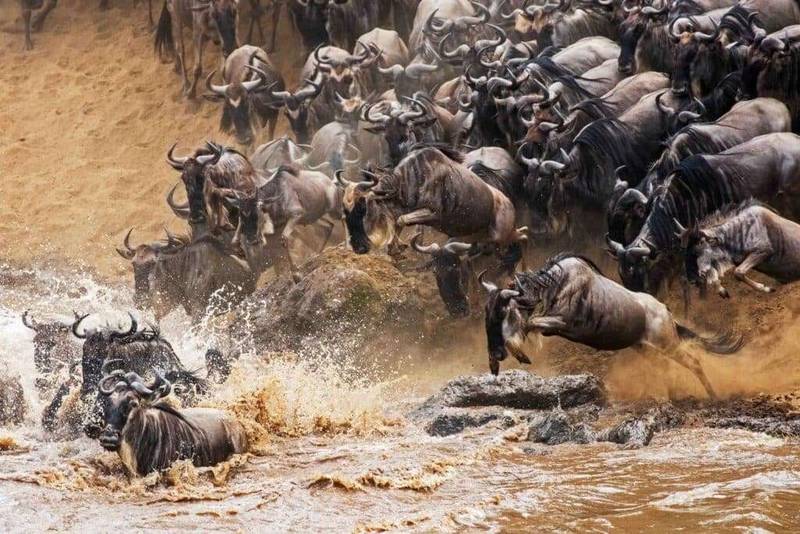
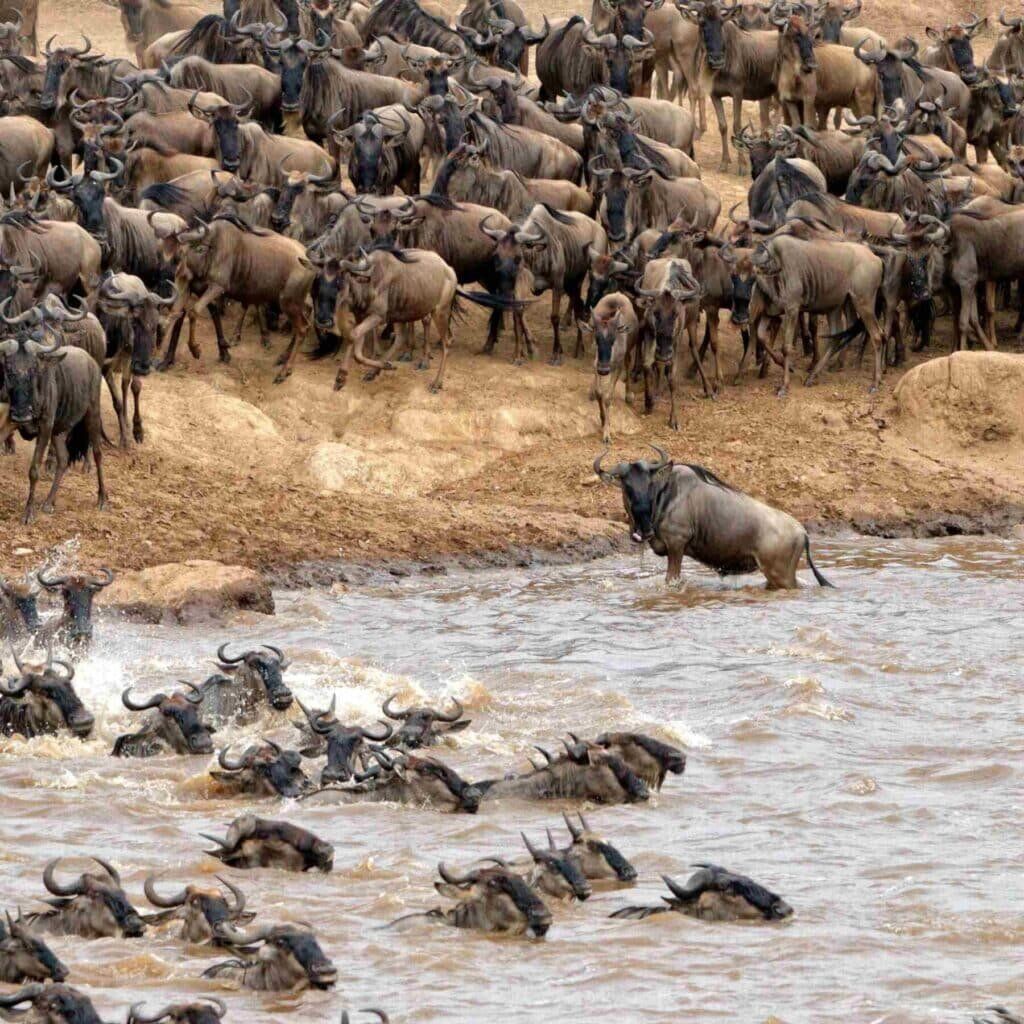
For many travelers, the most dramatic highlight of this journey is the legendary crossing of the Grumeti and Mara Rivers, where massive herds brave strong currents and lurking predators, creating one of the most unforgettable wildlife experiences in Africa.
It’s no surprise that The Great Migration is one of the main reasons travelers visit Tanzania each year. For many safari enthusiasts, witnessing this incredible wildlife spectacle in Serengeti National Park is a dream come true. If The Great Migration is also at the top of your must-see list, understanding where the herds move throughout the year is essential for planning the perfect safari experience.
To help you plan your journey, we’ve created this guide to show:
–When and where The Great Migration occurs month by month
–The best time to witness The Great Migration
–Top locations in the Serengeti to see the herds
–Expert tips for experiencing the Migration at its most dramatic
By following this guide, you can ensure a safari experience that captures the full majesty of this natural wonder.
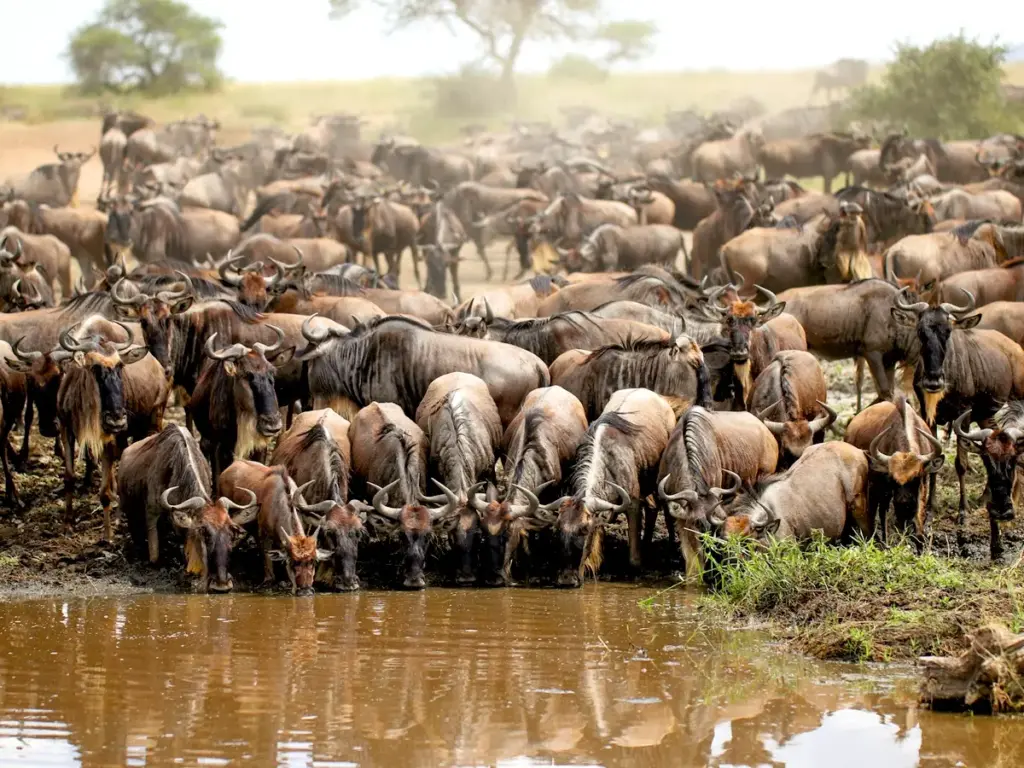
The Great Migration is the largest animal movement on Earth, with nearly two million animals crossing the plains of Tanzania and Kenya each year. Although it is named after the wildebeest, which make up most of the herds, the migration also includes large numbers of zebras, gazelles, topi, and other grazing animals.
This annual movement typically begins around December and continues until November, depending on the rainy season in Tanzania. During this epic journey, the herds travel approximately 1,000 kilometers in search of fresh grazing and water.
Unfortunately, up to 250,000 wildebeest die each year due to predators, exhaustion, and dangerous river crossings. Nevertheless, the migration continues uninterrupted, showcasing one of nature’s most incredible spectacles.
Here’s the key thing to understand—the exact timing of The Great Migration in the Serengeti largely depends on rainfall patterns each year. Because the herds move in search of fresh grazing and water, it can be difficult to predict exactly when and where the migration will begin or where the animals will be at any given time.
In recent years, changing climate patterns have made the rainy seasons less predictable, which can affect the movement of the herds and the overall rhythm of The Great Migration.
However, with the help of experienced safari guides and local knowledge of the Serengeti ecosystem, it is still possible to make reliable predictions. This expertise allows travelers to plan their safari at the right time and greatly increases the chances of witnessing The Great Migration in all its spectacular drama.
The Great Migration typically begins in late November or early December, when the herds arrive in the southern Serengeti, around the Ndutu area. Once in the Serengeti, the animals roam freely, creating a breathtaking spectacle of nearly two million wildebeests and zebras grazing across Tanzania’s vast plains.
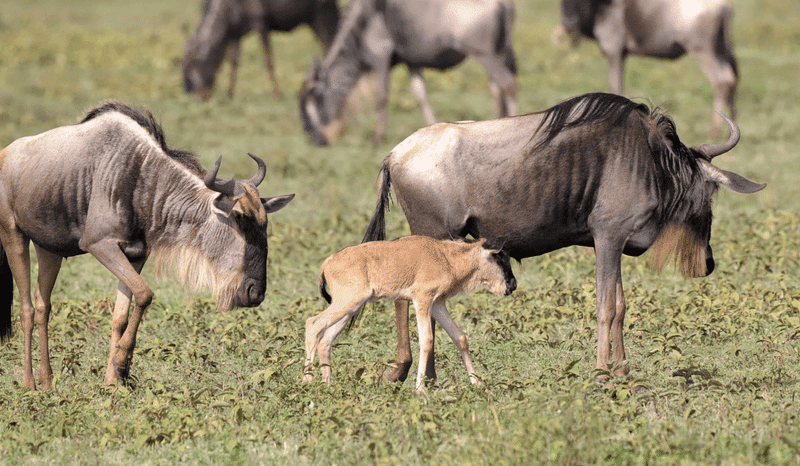
By February, the calving season begins, with around half a million calves born on the southern plains. During this time, it is also a prime opportunity to observe predators, who take advantage of the abundance of young animals.
By April, the herds move toward the central and western Serengeti in search of fresh, tall grasses. As the rains arrive, the mating season begins, adding another fascinating dimension to this natural spectacle.
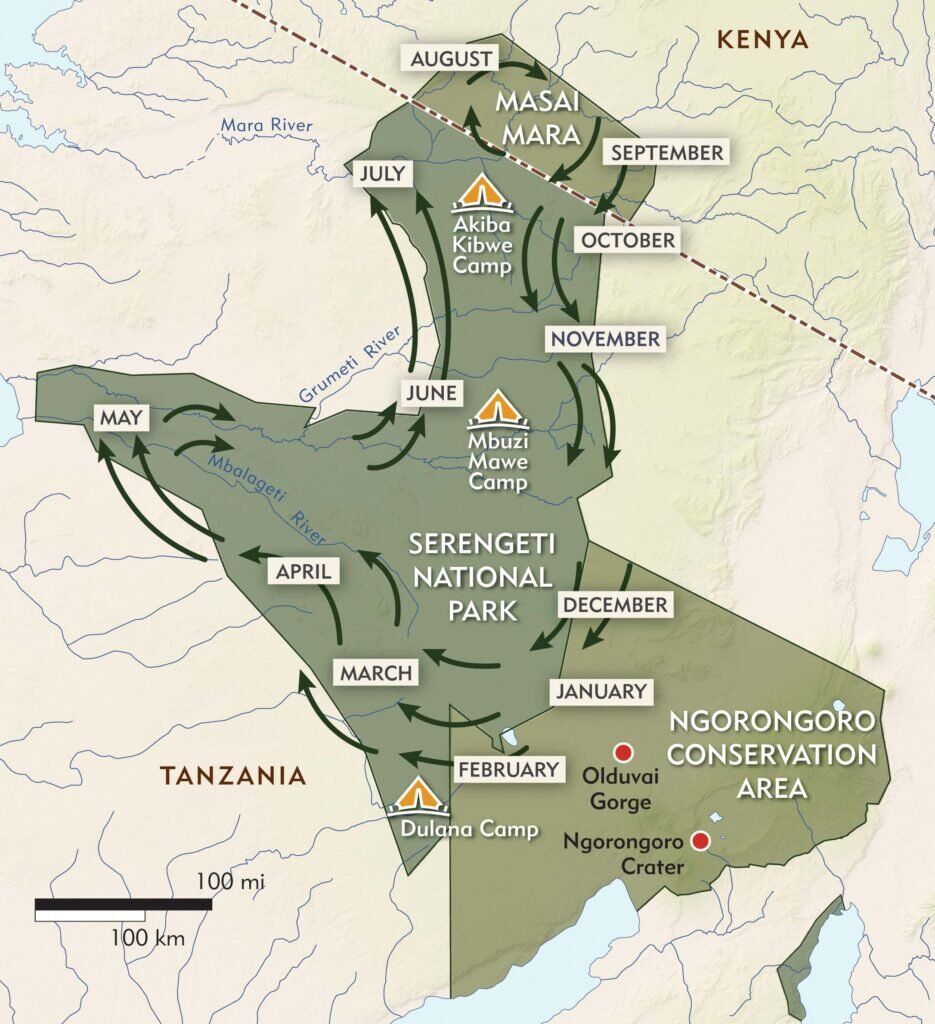
By May and June, The Great Migration moves further north as the herds of wildebeests and zebras approach the perilous Grumeti River, home to giant crocodiles. It is a thrilling and intense spectacle as thousands of these magnificent animals struggle against strong currents and lurking predators, with not all making it across.
After crossing the river, the survivors continue their journey through the Serengeti. Some herds pass through the Grumeti and Ikorongo Game Reserves, while others traverse the heart of Serengeti National Park, maintaining the awe-inspiring rhythm of The Great Migration.
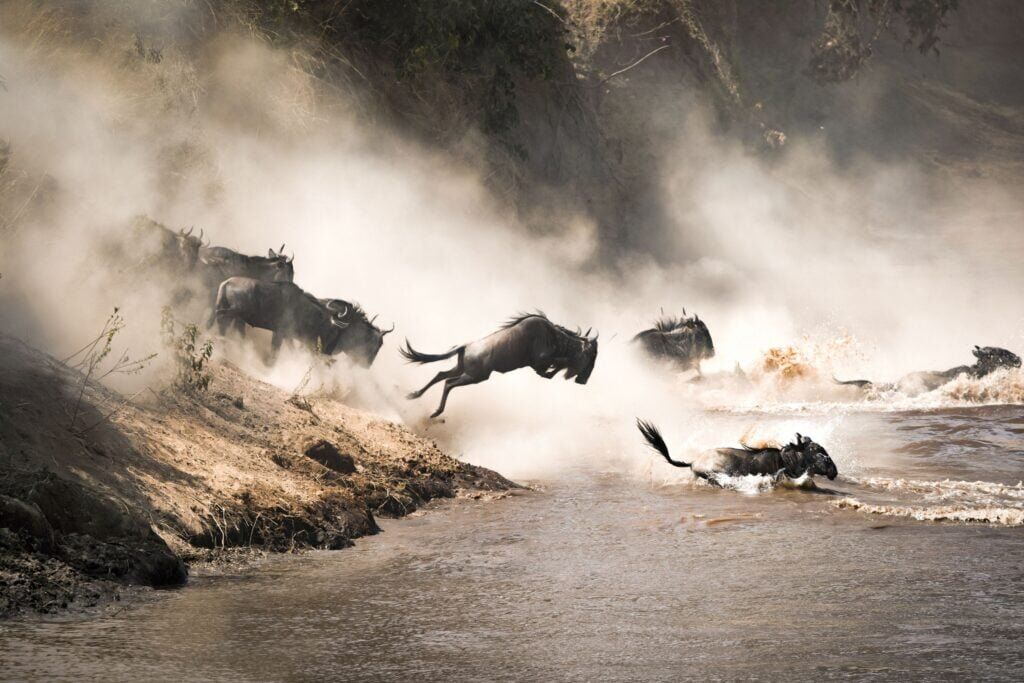
From July through September, The Great Migration reaches the Mara River, which the herds must cross to enter Kenya. This period marks one of the most dramatic and unforgettable moments of the migration. The fast-flowing water, combined with lurking crocodiles, makes the crossing extremely dangerous and thrilling to witness.
The Mara River crossing is the biggest natural obstacle of The Great Migration, often creating a spectacular scene of panic and confusion as hundreds of thousands of wildebeests, zebras, and other animals navigate the gushing river. Interestingly, in recent years, nearly two-thirds of the herds have remained in the northern Serengeti, taking advantage of the abundant fresh grass instead of crossing.
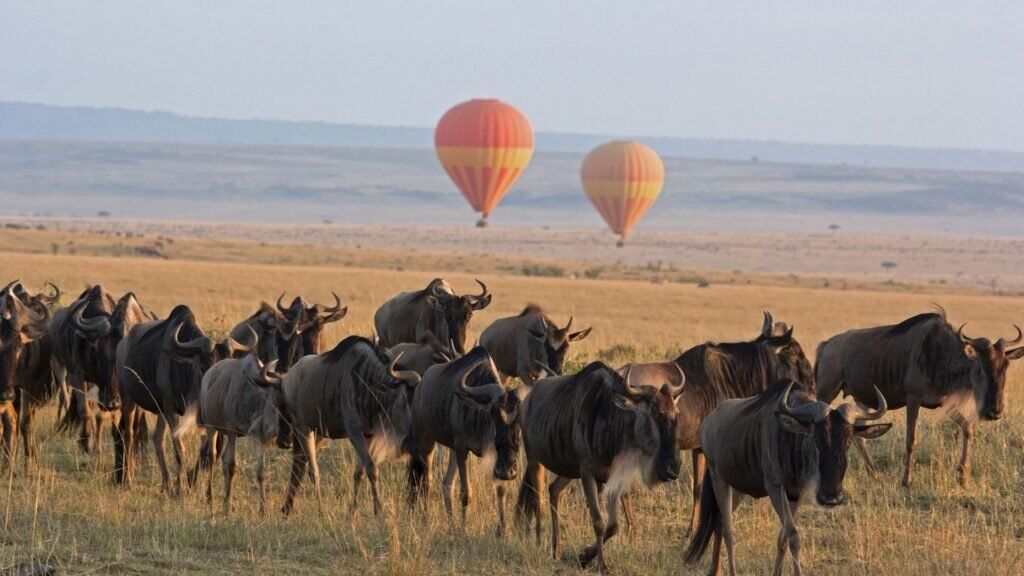
From October through November, The Great Migration begins its journey back from the northern Serengeti toward the southern plains around Ndutu, passing through the central Seronera region.
The herds stay in the southern Serengeti until late November or early December, marking the start of a new annual cycle. This movement completes the year-long journey of The Great Migration, ensuring the Serengeti continues to host one of the most extraordinary wildlife spectacles on Earth.