Planning for your first safari in Africa or venturing to a new destination in the African bush can feel overwhelming. How do you know if you’re packing too much or too little? What kind of weather should you expect? Will there be laundry facilities available? And How smartly do you have to dress in the evenings? There’s certainly plenty to consider!
Drawing from our experience as seasoned safari enthusiasts, we’ve been in your shoes and grappled with these very questions ourselves.
What Should I Wear on Safari in Africa?
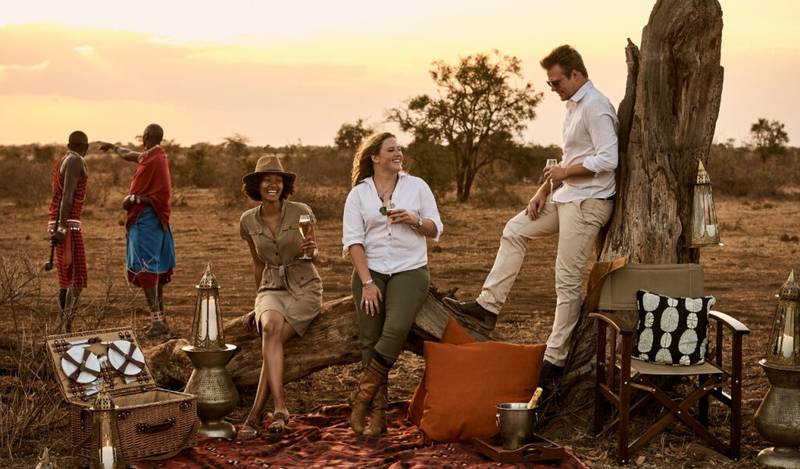
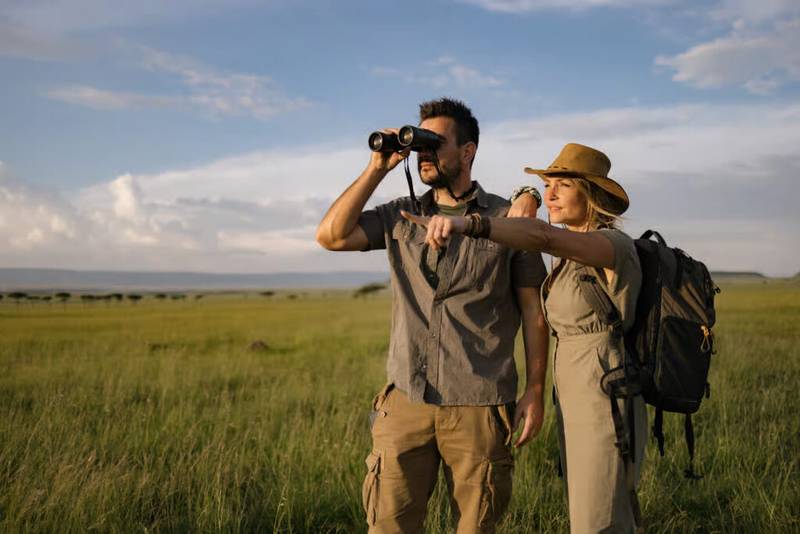
When preparing for a safari, opt for lightweight, breathable clothing in neutral shades such as beige, khaki, or green. Prioritize comfort and practicality. In areas where tsetse flies are prevalent, it’s crucial to avoid wearing blue and dark colors. These colors tend to attract the insects. There’s no need to completely overhaul your wardrobe, though a couple of neutral-colored T-shirts and shorts can easily be paired with your existing casual clothes. Since much of your time on safari will likely be spent bouncing around in a vehicle or under the hot sun, opt for loose, comfortable clothing.
Long–sleeved shirts and trousers are especially useful for providing additional protection from the sun. They also help against nighttime insects and thorny vegetation if you’re walking. A wide-brimmed hat is also essential for shielding yourself from the sun’s rays.
Lightweight safari trousers that unzip to become shorts are a great option. For early mornings and evenings when temperatures can drop, consider packing a fleece along with gloves, a warm hat, or a tube scarf (‘snood’) to keep warm. Be mindful of the altitude of your destination. For instance, places like the Ngorongoro Crater can get chilly at night up on the rim.
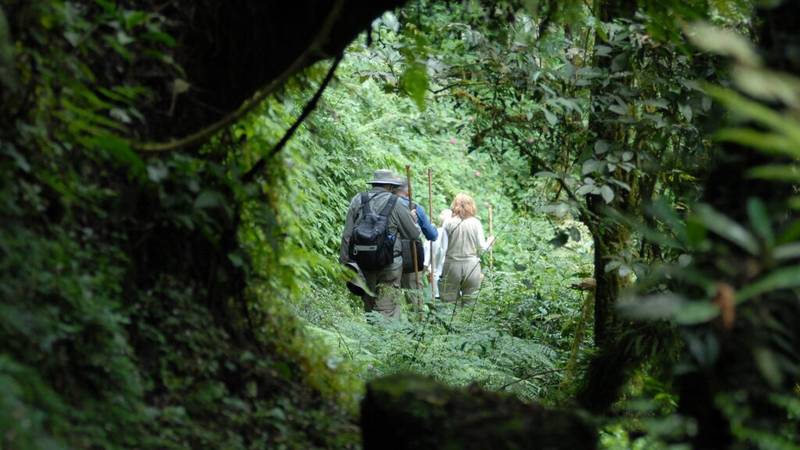
If you plan on gorilla trekking, ensure you have waterproof gear and sturdy hiking boots. Since weather conditions can differ based on your location and travel season, consult with your safari specialist for tailored advice to be well prepared. Additionally, you might need specific gear depending on specialized activities like walking safaris or trekking.
Packing adaptable clothing not only ensures comfort but also helps you blend harmoniously into the natural surroundings, enhancing your safari experience.
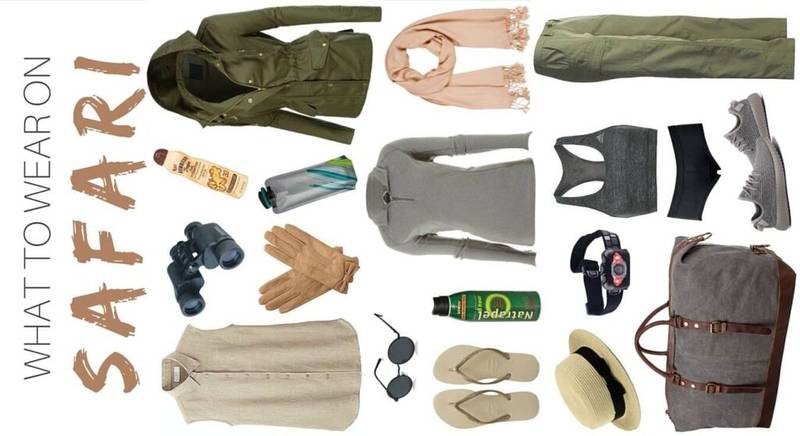
Safari Essentials Checklist:
Head
- Pack a wide-brimmed hat for sun protection, especially during walking safaris.
- Carry a beanie or warm hat for chilly mornings on the safari vehicle.
- Sunglasses can shield your eyes from the glare of the African sun.
- Bring a light scarf or versatile neck covering, like a buff, for added comfort.
Upper Body
- Keep a fleece handy for crisp, early mornings before sunrise.
- Opt for light t-shirts or button-down shirts. For bushwalks, khaki is ideal, but on the safari vehicle any lighter color works. It’s better to avoid dark shades to minimize heat absorption under strong sunlight.
- Pack a lightweight rain jacket for unexpected weather changes.
- Depending on the season, gloves might be useful for cooler temperatures.
Lower Body
- Khaki shorts with multiple pockets are practical and functional.
- Lightweight long pants (trousers) are perfect for bushwalks, especially in summer when navigating through tall grass.
- Comfortable light walking shoes are essential for safaris and bushwalks.
- Flip-flops come in handy for casual, relaxing moments.
- Include a belt to hold gear like a pocket knife or camera clips securely.
- Choose breathable socks of medium length to keep your feet cool and comfortable.
Expert Tip for the Chidren: The same guidelines as above apply to children. Although dress your children in clothes you don’t mind getting very dirty!
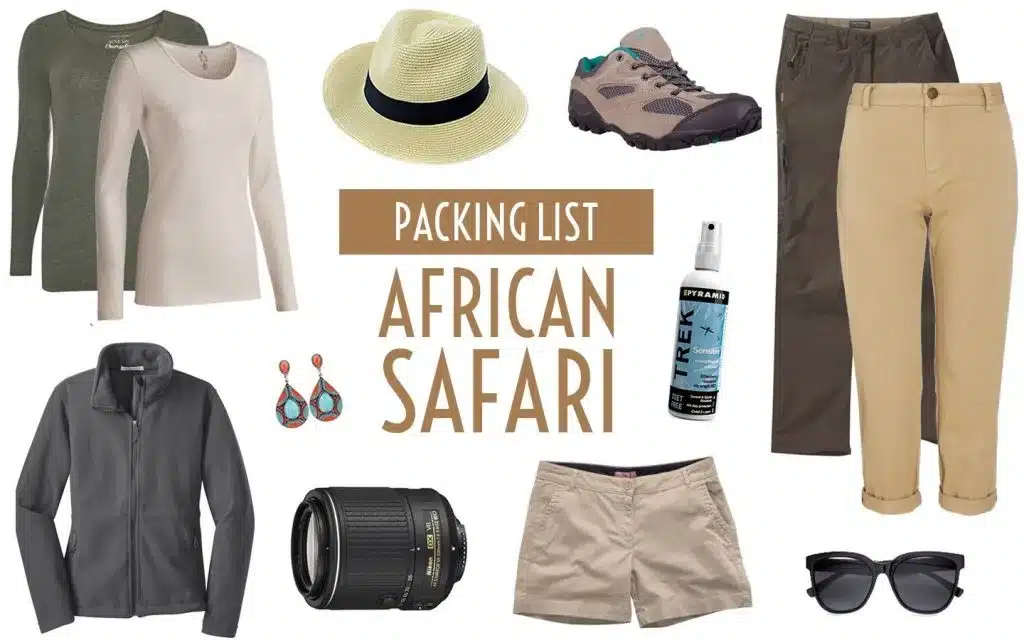
What Colours Should I Avoid Wearing on Safari in Africa?
Color holds greater significance than many travelers anticipate. The key lies in choosing neutral tones that reflect and harmonize with the surrounding environment. Here is the recommended list below:
Best Colors to Wear:
- Khaki
- Olive green
- Light brown
- Tan
- Beige
Avoid:
- Bright colors: These can startle wildlife.
- Dark blue or black: Attracts tsetse flies, especially near water.
- White: Shows dust and dirt quickly
Wearing camouflage clothing should be avoided altogether, as it is typically reserved for military use and is often illegal to wear in several African countries.
What shoes should I take on Safari in Africa?
Light walking shoes are always preferable when you’re out on safari. Footwear that’s too bulky and heavy can restrict breathability in high temperatures, while it should still be adaptable enough to handle the varied African terrain.
It probably goes without saying, but what the hell, anything with a heel or that is uncomfortable on your feet for long periods should probably be avoided. Save the formal footwear for the lodge and make sure while you’re out on game drive or walking safari you have something lightweight, dependable, and above all comfortable on your feet.
Should I Pack Formal Clothes for the Evenings on Safari?
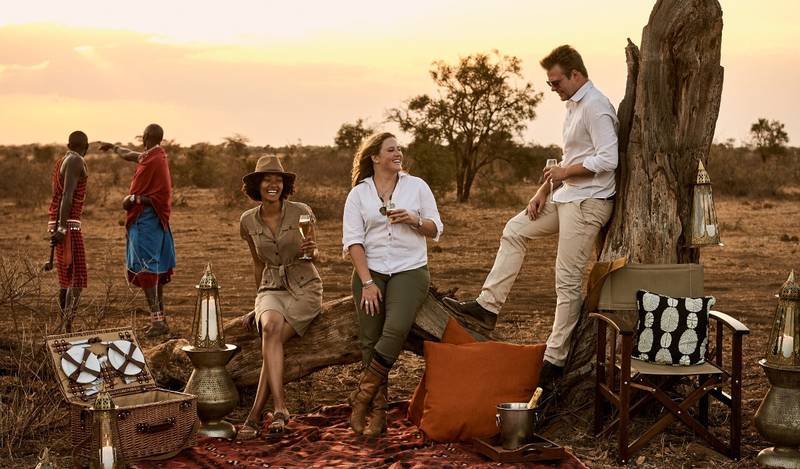
Evenings on safari are generally laid-back, meaning there’s no reason to pack formal attire. Most safari camps and lodges promote a casual, relaxed vibe. It‘s common for guests to go straight to dinner in the same comfortable outfits they wore on the game drives. The emphasis is on winding down after a day in the wild, so smart-casual clothing is perfectly appropriate.
What Should I Wear for Dinner on Safari in Africa?
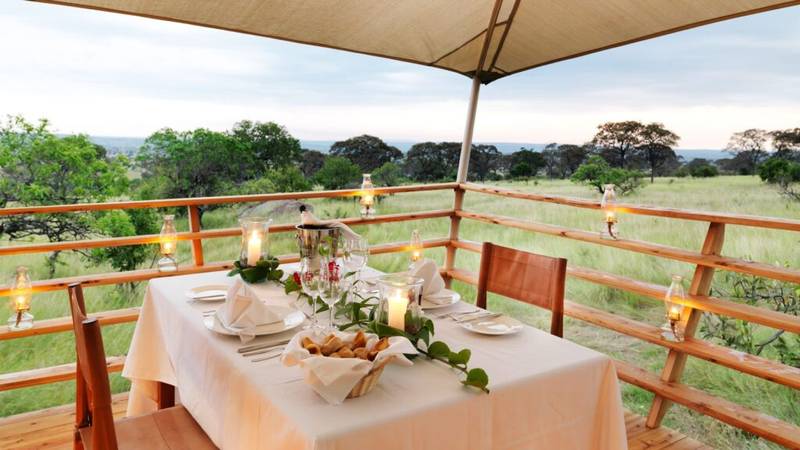
If you’re dinning outdoors, opt for practical clothing. Long sleeves and pants can help protect you from insect bites, while neutral colors are a better choice than black or blue, which are known to attract bugs.
In the evenings, temperatures can drop significantly, especially in East Africa, so bringing along a fleece or light jacket will ensure you stay comfortable. Indoor dining tends to be just as casual, giving you the freedom to dress in whatever makes you feel at ease.
What Accessories Should I bring on Safari in Africa?
While it’s impossible to cover every single item you might need for a safari in Africa, here’s a good list to help you prepare:
Top Recommendations:
- Binoculars (ideally with a magnification of at least 38/8)
- Camera gear – with extra memory cards and dust protection
- Daypack or small backpack for water, snacks, and camera
- Power bank – lodge electricity can be limited
- Camera capture clips (we prefer Peak Design)
- A camel bag or reusable steel water bottle
- Kikoi (available at local African markets—perfect for soaking in water to cool off on hot days)
- Maasai blanket (also found at local African markets)
- Sunscreen and insect protection is crucial
- A small spray bottle of water, or as we like to call it, “bush aircon“—perfect for a refreshing mist during your game drive.
What About the Different Seasons?
Africa typically experiences two main seasons: the rainy season and the dry season. Depending on when you plan to travel, the season may influence your clothing choices, though perhaps not as significantly as you‘d expect.
A safari during the rainy season naturally means encountering more rain than in the dry season, but you’ll also face warmer temperatures, often higher than what you’re accustomed to.
In essence, visiting during the rainy season requires preparation for both wet and dry conditions. Conversely, traveling in the dry season generally means staying drier, but it’s still wise to pack some waterproof gear, just in case.
Temperature differences between the two seasons generally range from 5°C to 15°C depending on your location within Africa. Adding to the complexity, the rainy season is usually the hotter time of the year, while nights during the dry season can become quite chilly.
Seasonal Considerations: What to Wear on Safari in Africa by Season;
Dry Season (June – October): Expect cooler mornings and warm afternoons. Bring along a fleece or a light jacket for added comfort. Lightweight long pants and shirts are ideal for sun protection.
Wet Season (November – May): Prepare for occasional rain with a poncho or a waterproof jacket. Opt for waterproof footwear or fast-drying shoes, and pack extra socks and quick-dry clothing to stay comfortable.
Parking Made Easy: What to Wear on Safari in Africa
What to wear on safari in Africa is all about striking the perfect balance between practicality and comfort, but also embracing the spirit of adventure. The continent awaits, offering vast widerness, breathtaking sunsets, and once-in-a-lifetime moments. Choosing the right safari clothing will help you enjoy the adventure fully, from early morning game drives to sundowners under the acacia trees.